
Business
How to Choose the Best HR Management Software for Small Businesses

Effective human resources (HR) management is critical for small businesses seeking to streamline operations, reduce manual work, and build a thriving workplace culture. As competition and compliance requirements intensify, the right HR management software can save time, enhance efficiency, and boost employee satisfaction. Today’s wide range of options means business owners must evaluate solutions that fit their unique needs. For a comprehensive guide fitting today’s small business needs, review these HRMS solutions for small business teams.
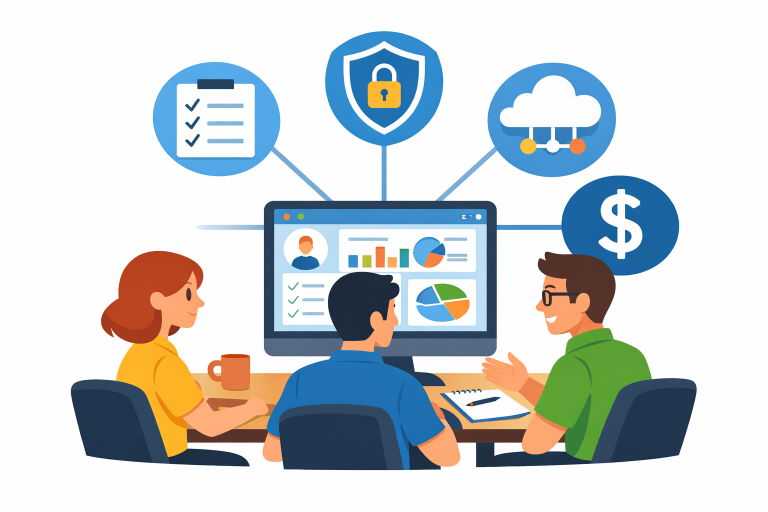
Small businesses often have limited time and resources, making it essential to select a platform that automates routine HR processes, reduces paperwork, and ensures compliance with ever-changing regulations. Choosing user-friendly, scalable, and secure software can prevent costly errors and lead to happier, more productive teams. Integration with existing business systems can be the difference between fragmented data and a seamless, efficient HR workflow.
Security and legal compliance are paramount when handling sensitive employee data. Software should offer multi-layer security and keep up with regulations, protecting your business against potential risks. At the same time, the option to scale as your team grows keeps business operations smooth as you expand.
Finally, considering your budget while evaluating functionality ensures long-term savings and improved processes that justify your investment. The following guide outlines the key steps for making an informed, confident decision when choosing HR management software.
Understanding Your Business Needs
Before you dive into the world of HR software, it’s vital to conduct a thorough assessment of your business’s current HR requirements. Begin by noting the size of your team, any unique industry or local compliance needs, and the daily HR tasks that take up the most time. Are you struggling with manual payroll? Are onboarding and performance reviews cumbersome? Defining these needs will not only inform your search but will also prevent overspending on features you do not require. Taking the time to speak with employees, managers, and administrators about their daily pain points can reveal hidden inefficiencies. Getting input from key team members early in the process helps you select a solution that truly resolves core issues and fosters greater buy-in when you roll out new software.
Evaluating Software Features
Evaluating potential HR software means understanding which features are must-haves. Most small businesses benefit from comprehensive platforms that centralize tasks such as payroll processing, time and attendance tracking, performance reviews, and benefits administration. As seen in TechRadar’s review of the best HR software, solutions like Gusto excel for small businesses by combining payroll, compliance, and HR management into a single dashboard. Look for software that supports employee self-service, automates repetitive tasks, and provides clear reporting tools.
Integration with Existing Systems
Most small businesses already use accounting, project management, or time tracking systems. Choose HR management software that can integrate with your existing tech stack. For example, Breathe HR’s seamless integration with Xero Payroll enables accurate transfers of payroll data between your HR and accounting systems. This minimizes errors and slashes administrative hours, as outlined in TechRadar’s review of Breathe HR. Integration should be easy to set up and backed by technical support if complications arise. Don’t underestimate the value of API availability or third-party support, which can allow further customization or integration as your business evolves.
Data Security and Compliance
Handling employee records means prioritizing strong data protection. Choose tools that offer secure data storage, regular security audits, and compliance with relevant laws such as GDPR or HIPAA. Features like encryption, multi-factor authentication, and detailed access controls reduce the risk of data breaches. Additionally, confirm that the software updates automatically in line with new or evolving labor regulations, helping your business stay compliant without manual intervention.
Scalability and Flexibility
As your business expands, so should the capabilities of your HR software. Opt for products that can handle increased headcount and new HR functions over time. Many leading HR platforms offer tiered pricing or add-on modules for extra features. This flexibility means you can start small and only pay for advanced tools as your company grows, preventing unnecessary expenses at your current stage. It’s also valuable to select a vendor with a strong reputation for regular updates and customer-requested enhancements, so your investment remains relevant for years to come.
User Experience and Support
An intuitive design and helpful onboarding materials are crucial for getting your team up and running. The more approachable the software is, the faster your employees will embrace it. Equally important is accessible, knowledgeable support when technical challenges arise. Look for platforms with multiple customer service channels, such as live chat, email, or dedicated account managers. Transparent onboarding and thorough help documentation can often speed up implementation and new-user training, easing the transition phase.
Cost Considerations
Budget limitations are common, but investing in the right HR software delivers long-term paybacks. Compare features and pricing structures, considering whether costs are per-user, per-feature, or flat monthly. Factor in potential savings from fewer manual errors or reduced time spent on HR administration. Larger publications like Forbes Advisor’s guide to HR software can help you compare options on price and features. Remember to consider potential onboarding fees, custom setup costs, and ongoing support charges when comparing for true long-term value.
Making the Final Decision
After evaluating needs, features, integration, security, flexibility, user support, and total cost of ownership, select a platform that aligns with both current requirements and future ambitions. Pilot the software with a small team if possible. Collect feedback before the company-wide rollout to smooth the implementation process. Over time, the right HR management software not only enhances compliance and efficiency but also contributes to a healthier, more productive workplace. Continued assessment after launch is crucial; review how the platform impacts workflows, updates, and user satisfaction so future adjustments can be made swiftly if necessary.

-
 Business6 months ago
Simpcit6: Boost Productivity and Streamline Business Operations
-
 News5 months ago
Marcus Hamberg Flashback: Impact on Finance and Real Estate
-
 Biography2 months ago
Elizabeth Mary Wilhelmina Bentinck: Biography, Family, Career, and Private Life
-
 Blog6 months ago
Exploring the Booming Housing Market in the Dallas Metro Area
-
 Blog4 months ago
Tsunaihaiya Explore Native Spirit and Cultural Legacy
-
 Tech9 months ago
Eporer | Empowering Companies with Innovation for Lasting Growth
-
 Blog6 months ago
Uno Lamp Shade Replacement: Measuring and Installation Tips
-
 General7 months ago
How Modern Spine Surgery — from Disc Replacement to Minimally-Invasive Fusion — Can Help Patients Get Back to a Pain‑Free Life