
Blog
Average Age to Lose First Tooth: Complete Guide for Parents (4–7 Years Explained)

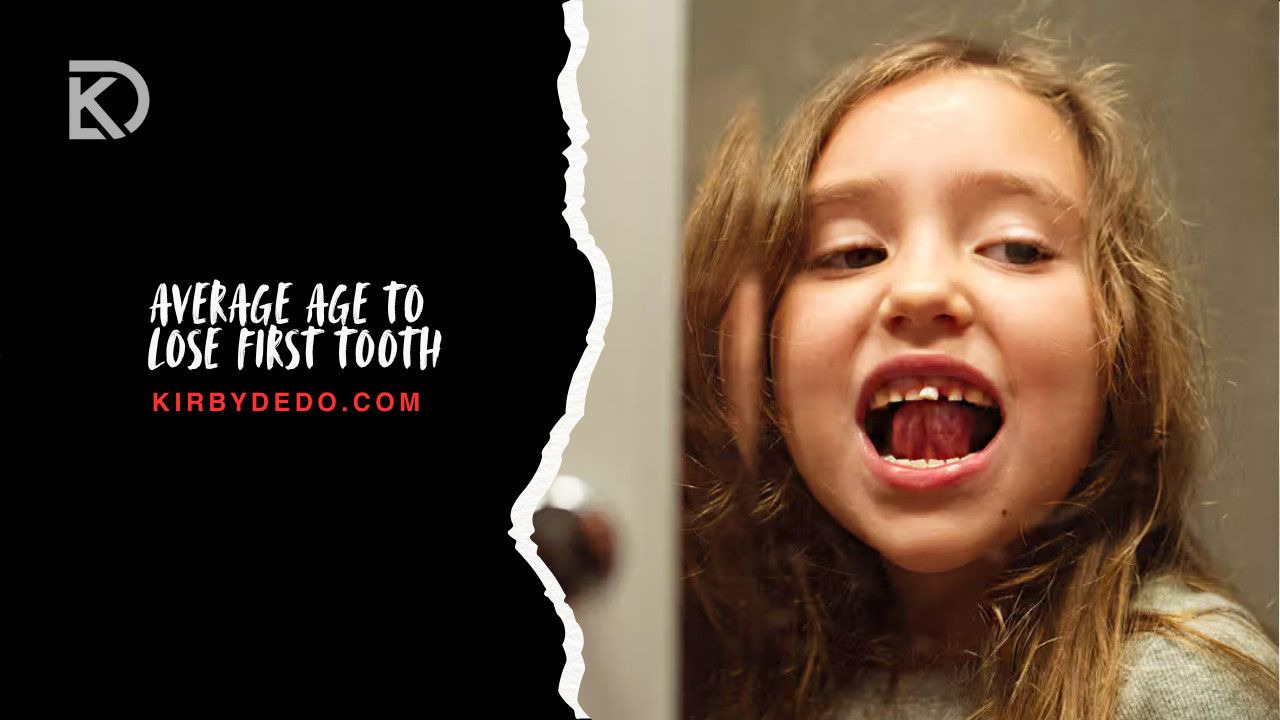
The average age to lose first tooth is usually between 5 and 6 years, although normal development can start as early as 4 years and extend up to 7 years depending on the child. This milestone marks the beginning of a natural transition from baby teeth to permanent teeth, and understanding the average age to lose first tooth helps parents identify what is typical, when changes should be expected, and when a dental check-up may be needed. In most children, the process begins gradually as front teeth loosen first before others follow in a predictable sequence.
Quick Facts Table: Child Tooth Development Overview
| Category | Details |
| Total baby teeth | 20 primary teeth |
| Average first tooth loss | 5–6 years |
| Normal range | 4–7 years |
| Permanent teeth begin | Around age 6 |
| Final baby teeth lost | 11–12 years |
| First teeth lost | Central incisors |
| Last teeth lost | Second molars |
| Dental visits | Every 6 months |
| Brushing routine | 2× daily (2 minutes) |
| Flossing | Once daily |
Understanding the average age to lose first tooth
The average age to lose first tooth reflects a natural developmental phase where baby teeth begin to loosen as permanent teeth develop beneath them. This process is driven by root resorption, where the roots of baby teeth gradually dissolve to allow them to fall out naturally. Most children experience this around early school age, but variation is extremely common and not usually a cause for concern.
Dental development is influenced by genetics, nutrition, and overall growth patterns. Some children may start slightly earlier, while others may take longer to reach this stage without any underlying issue.
Tooth loss timeline (age-by-age progression)
| Age | Stage | Description |
| 4–5 years | Early variation | Rare early loosening may appear |
| 5–6 years | Typical stage | First tooth loss begins |
| 6–7 years | Active transition | Permanent teeth start emerging |
| 7–9 years | Continued loss | Side teeth begin falling out |
| 9–12 years | Final phase | Molars and canines replaced |
The average age to lose first tooth fits at the beginning of this transition cycle, which continues for several years.
Which teeth fall out first and why
The first teeth to fall out are usually the central incisors located at the front of the mouth. These teeth have shorter roots compared to others, making them naturally the first to loosen.
Typical sequence:
Central incisors → lateral incisors → first molars → canines → second molars
This pattern ensures proper spacing for permanent teeth alignment.
Baby teeth vs permanent teeth development
Baby teeth serve as placeholders that guide the eruption of adult teeth. As permanent teeth grow beneath them, pressure causes gradual root breakdown, which leads to loosening and eventual loss.
Early tooth loss causes
Although the average age to lose first tooth is 5–6 years, early loss can occur due to:
Tooth decay, injury, or gum infection. In some cases, early loss may affect spacing for adult teeth, so dental monitoring is important.
Late tooth loss explanation
If a child has not lost any teeth by age 7 or 8, it may still be normal. Some children naturally develop slower dental timelines. Dentists may use X-rays to confirm if permanent teeth are forming correctly.
What happens when a tooth becomes loose
A loose tooth is a natural stage before falling out. It may wiggle for days or weeks before detaching fully. Mild discomfort or slight bleeding is normal, but the process should not be forced.
Signs include movement, gum sensitivity, and small gaps forming.
Tooth eruption vs tooth loss comparison
| Stage | Baby Teeth | Permanent Teeth |
| Early childhood | Fully developed | Not erupted |
| Age 5–6 | First loss begins | First molars appear |
| Age 6–9 | Rapid replacement | Front adult teeth emerge |
| Age 10–12 | Final loss stage | Full adult set forming |
Early vs normal vs late tooth loss
| Type | Age Range | Meaning |
| Early | Before 4 years | May need dental check |
| Normal | 4–7 years | Healthy development |
| Late | After 7 years | Usually normal variation |
Dental care habits during tooth loss phase
Proper oral care supports smooth development during the average age to lose first tooth stage. Children should brush twice daily, use fluoride toothpaste, and floss once daily. Regular dental checkups every six months help ensure healthy progression of permanent teeth.
What to do when the first tooth falls out
When the average age to lose first tooth is reached, parents should allow the tooth to fall out naturally. Gentle rinsing, soft foods, and light gauze for bleeding are usually enough. Most bleeding stops quickly and is not serious.
Emotional and behavioral aspect
Losing the first tooth is often exciting for children. Many associate it with traditions like the tooth fairy, which helps make the experience positive rather than stressful. It is also an important emotional milestone in childhood development.
Dentist visit schedule for children
Children should visit a dentist early in life and continue regular checkups every six months. Monitoring becomes especially important during the average age to lose first tooth stage to ensure proper spacing and alignment.
FAQ: average age to lose first tooth
What is the average age to lose first tooth?
The average age to lose first tooth is around 5–6 years, although a normal range extends from 4–7 years depending on development.
Why hasn’t my child lost any teeth yet?
Some children develop dental milestones later. If no teeth have fallen out by age 7 or 8, a dentist may evaluate growth patterns.
Which tooth falls out first?
The front lower or upper central incisors are usually the first teeth to loosen and fall out.
Is it painful when kids lose teeth?
Most children feel only mild pressure or slight discomfort, not significant pain.
How long does a loose tooth take to fall out?
A loose tooth may take several days or weeks before it naturally falls out.
What should parents do if a tooth falls out early?
If a tooth is lost too early, dental consultation is recommended to prevent spacing issues.
Do children bleed when they lose teeth?
A small amount of bleeding is normal and typically stops quickly.

-
 Business6 months ago
Simpcit6: Boost Productivity and Streamline Business Operations
-
 News5 months ago
Marcus Hamberg Flashback: Impact on Finance and Real Estate
-
 Blog4 months ago
Tsunaihaiya Explore Native Spirit and Cultural Legacy
-
 Blog6 months ago
Exploring the Booming Housing Market in the Dallas Metro Area
-
 Tech9 months ago
Eporer | Empowering Companies with Innovation for Lasting Growth
-
 Blog6 months ago
Uno Lamp Shade Replacement: Measuring and Installation Tips
-
 General7 months ago
How Modern Spine Surgery — from Disc Replacement to Minimally-Invasive Fusion — Can Help Patients Get Back to a Pain‑Free Life
-
 Blog4 months ago
Xaicotum Superfood Benefits Nutrition and Health Secrets