
Tech
Are Lithium Power Stations Better Than Traditional Batteries?

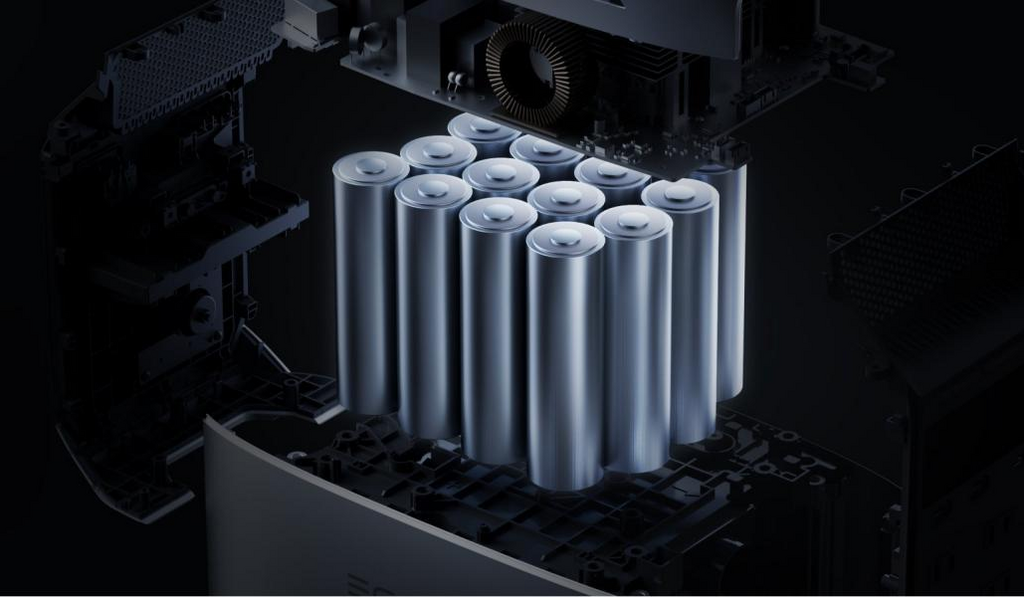
Lithium power stations are better than traditional lead-acid battery systems for most people because they charge faster, weigh less, last longer, and deliver more usable power. Lead-acid batteries still have a place in low-cost, stationary backup setups, but they are less practical for portable use and frequent cycling. The biggest differences show up in everyday ownership: easier transport, shorter recharge times, more stable output, and lower replacement frequency. For camping, home backup, mobile work, and off-grid convenience, lithium technology generally provides the stronger balance of performance, reliability, and long-term value than older battery chemistry.
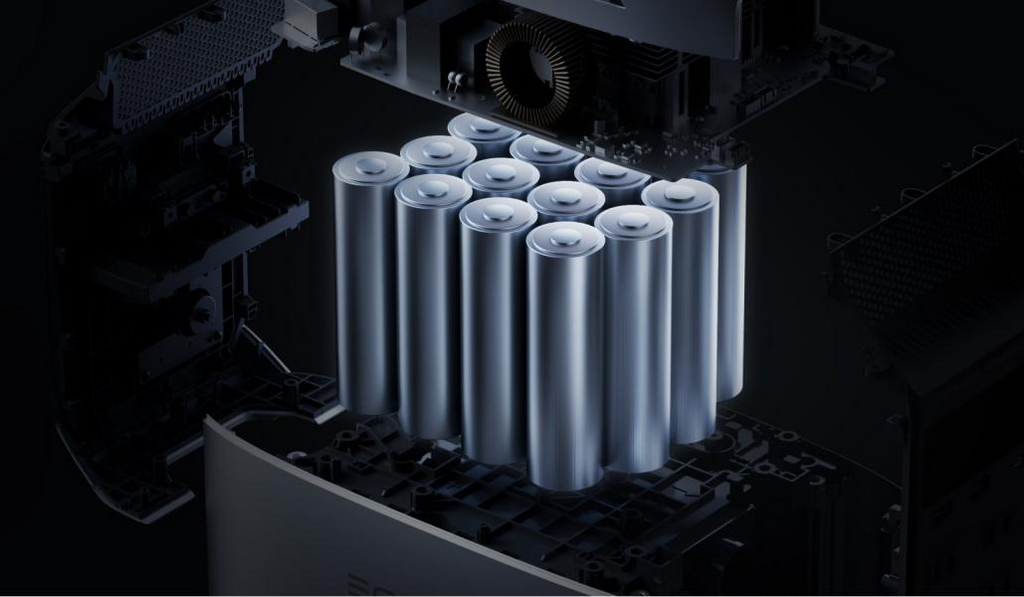
Key Differences Between Lithium and Lead-Acid Batteries
Energy Density and Weight Comparison
Lithium batteries store more energy in a smaller, lighter package than lead-acid batteries. That higher energy density makes the lithium power station much easier to carry, load into a vehicle, or move around a home or campsite. Lead-acid systems are bulkier because they need more mass to deliver the same usable capacity. In portable applications, that difference matters immediately. A lighter unit improves convenience, reduces setup effort, and expands where the power station can realistically be used, especially for outdoor trips, mobile work, and emergency relocation.
Charging Speed and Efficiency Differences
Lithium power stations recharge much faster and waste less energy during charging than lead-acid models. Lead-acid batteries typically need longer charging windows and can slow down significantly as they approach full capacity. Lithium systems accept higher charge rates, making them better for short turnaround times and daily use. Third-gen LiFePO4 chemistry also improves durability during fast charging. For example, the EcoFlow DELTA 3 Plus Portable Power Station uses LFP cells that support fast charging while still delivering 4000 cycles to 80% capacity, with up to 10 years of reliable use.
Lifespan and Long-Term Value
Cycle Life and Battery Degradation Rates
Lithium batteries usually deliver far more charge and discharge cycles than lead-acid batteries before noticeable capacity loss. Lead-acid chemistry degrades faster, especially when it is deeply discharged or left partially charged for extended periods. Lithium, particularly LiFePO4, maintains performance longer and handles repeated cycling much better. That means users get more years of practical service before replacement becomes necessary. Slower degradation also supports more predictable performance over time, which is important for backup power, routine outdoor use, and anyone relying on a power station regularly.
Total Cost of Ownership Over Time
Lead-acid batteries often cost less upfront, but lithium power stations usually cost less over the full ownership period. Their longer lifespan, higher efficiency, lower maintenance needs, and greater usable capacity reduce replacement frequency and energy waste. A lead-acid setup may appear budget-friendly at first, yet repeated replacements can raise costs quickly. Lithium also saves time because it charges faster and performs more consistently. For users who cycle their power station often, the long-term value is clear: fewer battery changes, better daily convenience, and more reliable return on the original investment.
Performance in Real-World Use
Output Stability and Depth of Discharge
Lithium power stations provide more stable voltage output during use, which helps appliances and electronics run more consistently. They also support deeper discharge without the same level of damage seen in lead-acid batteries. Lead-acid systems generally perform best when only part of their rated capacity is used, which limits their practical energy availability. Lithium allows a larger share of stored energy to be used safely and repeatedly. In real-world terms, that means more dependable runtime, better support for sensitive devices, and less performance drop as the battery drains.
Portability and Outdoor Usability Benefits
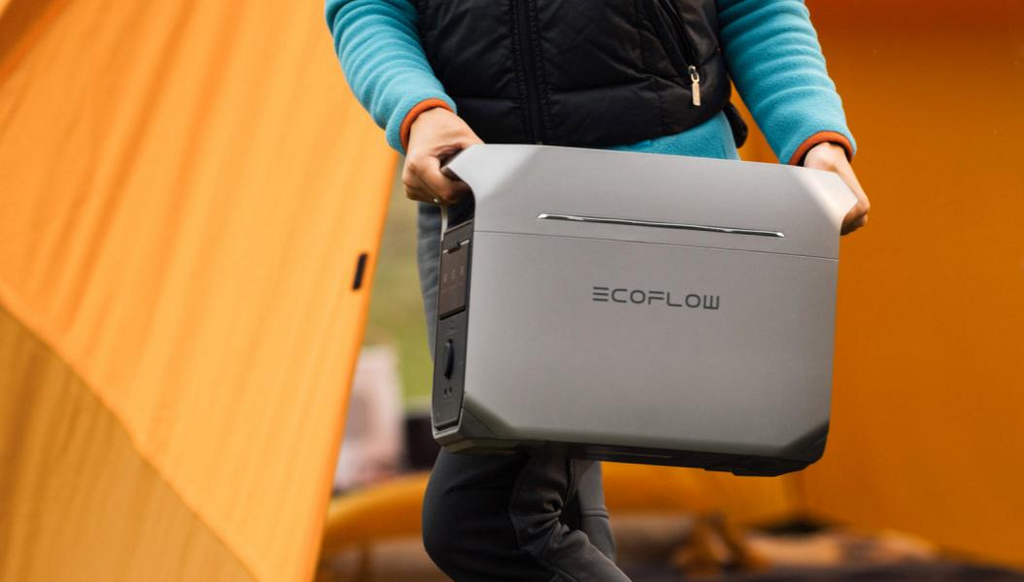
For camping, tailgating, RV use, and fieldwork, lithium power stations are more practical because they combine lighter weight with stronger daily usability. Moving a compact power station from a car to a tent or job site is much easier than handling a heavy lead-acid unit. Faster charging also helps when power access is limited. Outdoor users benefit from better space efficiency, simpler transport, and less physical strain. These advantages make lithium systems especially useful when power needs change quickly or when equipment must be packed, carried, and redeployed often.
Safety and Reliability Considerations
Thermal Stability and Battery Protection Systems
Safety depends on battery chemistry and system design, and lithium power stations with LiFePO4 cells offer strong thermal stability. This chemistry is generally more stable than other lithium types and is well suited to portable energy storage. Modern power stations also include battery management systems that monitor temperature, voltage, current, and charging behavior to reduce risk. Lead-acid batteries are familiar and proven, but they can vent gas and require more care in certain setups. Well-designed lithium units pair stable chemistry with electronic protection for safer everyday operation.
Usage Risks in Extreme Conditions
Both lithium and lead-acid batteries face limits in very hot or very cold environments, but the risks differ. Extreme heat accelerates battery wear and can reduce long-term performance in either chemistry. Cold weather can limit charging efficiency and available output, particularly if the battery is not properly managed. Lead-acid batteries are also vulnerable to capacity loss in low temperatures and can become harder to use effectively. Lithium power stations with built-in protections handle these conditions more intelligently, though users should still follow temperature guidelines for charging, storage, and operation.
Conclusion
Lithium power stations are better than traditional lead-acid batteries for most applications. They offer lighter weight, faster charging, longer lifespan, higher usable capacity, and stronger real-world convenience. Lead-acid batteries still make sense for some low-cost, less frequently used backup roles, but they are harder to move, slower to recharge, and more expensive over time when replacements are considered. For portable power, regular cycling, and dependable performance, lithium is the better choice. Users who want long service life and easier everyday use will usually get more value from a lithium power station.

-
 Business6 months ago
Simpcit6: Boost Productivity and Streamline Business Operations
-
 News6 months ago
Marcus Hamberg Flashback: Impact on Finance and Real Estate
-
 Biography2 months ago
Elizabeth Mary Wilhelmina Bentinck: Biography, Family, Career, and Private Life
-
 Blog6 months ago
Exploring the Booming Housing Market in the Dallas Metro Area
-
 Blog4 months ago
Tsunaihaiya Explore Native Spirit and Cultural Legacy
-
 Tech10 months ago
Eporer | Empowering Companies with Innovation for Lasting Growth
-
 Blog6 months ago
Uno Lamp Shade Replacement: Measuring and Installation Tips
-

 News2 months ago
The Digital Revolution: Exploring Cosmetics Shopping Online