
Tech
Solar Generator Maintenance Tips for Longer Battery Life

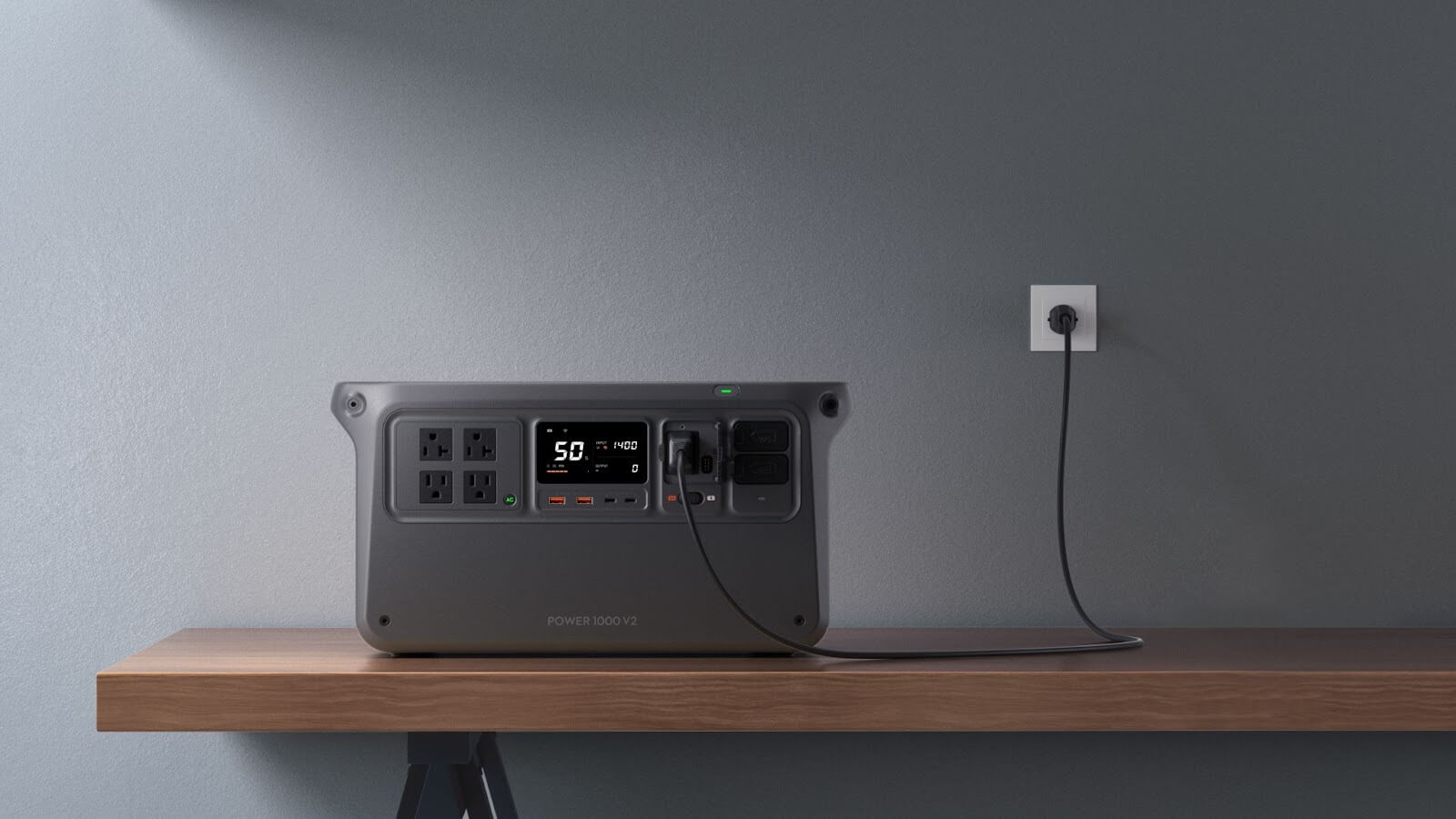
Solar generator battery life depends heavily on how the system is used, charged, stored, and maintained. Even a well-built unit can lose capacity early if it is exposed to heat, deep discharge, dirt buildup, or long periods without proper charging. Good maintenance is not complicated, but it does require consistency. A few practical habits can protect battery cells, support stable power delivery, and reduce the risk of avoidable wear. This guide explains the most effective solar generator maintenance tips for longer battery life, including how to charge correctly, store the unit safely, inspect key parts, and build a simple routine that keeps performance dependable. With regular care, your solar generator can stay efficient and ready for daily use, emergencies, travel, or off-grid backup.
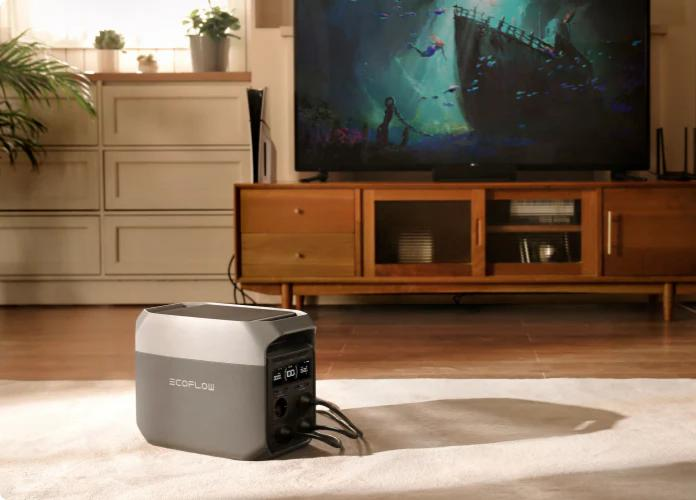
Why Regular Solar Generator Maintenance Matters
How Battery Health Affects Overall Performance
Battery health directly affects how long a solar generator can run, how fast it charges, and how steadily it powers devices. As battery capacity declines, runtime gets shorter even when the display shows a full charge. Poor battery condition can also reduce output consistency, causing sensitive electronics to perform less reliably. In more advanced stages, internal resistance rises, which creates extra heat during charging and discharging.
That added heat accelerates wear and further reduces efficiency. Healthy batteries accept solar input more effectively, hold energy longer in storage, and deliver stable power under load. Keeping the battery in good condition is therefore not just about lifespan. It is central to the generator’s daily performance, emergency readiness, and long-term value.
Common Maintenance Mistakes That Shorten Battery Life
Several common mistakes shorten solar generator battery life faster than normal aging. Repeatedly draining the battery to zero is one of the biggest problems because deep discharge places avoidable stress on battery cells. Storing the unit fully empty for long periods can cause serious capacity loss. Heat is another major issue. Leaving the generator in a hot car, direct sun, or poorly ventilated shed speeds up chemical degradation. Users also overlook dirty ports, loose cables, and blocked cooling vents, all of which can affect charging and temperature control. Another mistake is ignoring software or firmware updates that help optimize charging behavior and system protection. Inconsistent use without periodic battery checks also allows problems to develop unnoticed.
Essential Solar Generator Maintenance Tips
Best Practices for Charging, Storage, and Cleaning
Charge the solar generator before the battery becomes critically low, and avoid making full discharge a routine habit. For most users, keeping the battery in a moderate charge range during normal use reduces strain and helps preserve long-term capacity. If you plan to store the unit, leave it partially charged rather than empty, then check and recharge it at scheduled intervals so the battery does not sink too low. Store the generator in a cool, dry, and shaded location with stable temperatures and good airflow.
Excessive heat is one of the fastest ways to age a battery.Cleaning matters too. Dust buildup around vents, ports, handles, and cable connections can affect cooling and charging reliability. Wipe the exterior with a dry or slightly damp soft cloth, and keep ports free of debris. Inspect charging cables for wear, bent connectors, or frayed insulation. If you use solar panels, keep panel surfaces clean so charging remains efficient. Small cleaning steps reduce heat retention, improve connection quality, and help the generator work more reliably over time.
Monitoring Battery Condition and Updating the System
Check battery status regularly instead of waiting for obvious problems. Watch for warning signs such as shorter runtime, slower charging, unexpected shutdowns, rising heat during use, or a battery percentage that drops unusually fast. These changes often indicate developing battery stress or a connection issue that should be addressed early. If the unit includes a display or app, review charging input, output load, battery percentage behavior, and any fault messages during normal operation.System updates are also part of maintenance.
Firmware and battery management updates can improve charging accuracy, thermal control, safety protections, and overall stability. Install approved updates when available and follow the manufacturer’s instructions carefully. During routine checks, inspect sockets, adapters, and solar input points for looseness or corrosion. Confirm that cooling fans and vents remain unobstructed. This combination of monitoring and updating helps the generator maintain efficient operation while reducing the chance that minor issues will quietly turn into battery-damaging problems.

How to Build a Simple Maintenance Routine
Weekly and Monthly Maintenance Checklist
Each week, check the battery level, confirm the generator powers on normally, and inspect cables, ports, and vents for dust or damage. Wipe exterior surfaces if needed and make sure airflow is not blocked. If you use solar panels regularly, inspect connectors and clean the panel face for better charging performance.Each month, test charging and discharging under a normal load, review any system alerts, and inspect for loose parts, corrosion, or unusual heat. Recharge stored units to a healthy level if the battery has dropped. Confirm fans and displays work properly. If your model supports updates, check for new firmware and install it according to the manufacturer’s instructions.
When to Inspect, Repair, or Replace Components
Inspect the generator more closely whenever you notice a clear performance change, such as reduced runtime, inconsistent charging, unusual fan behavior, or visible cable wear. Address connection problems immediately, because loose or damaged charging components can create heat and reduce efficiency.
Replace frayed cables, cracked adapters, or corroded connectors as soon as they appear.Seek repair if the unit shuts down unexpectedly, fails to accept a normal charge, shows repeated fault warnings, or becomes excessively hot during routine operation. Battery replacement should be considered when capacity loss becomes severe enough to affect normal use or backup readiness. Do not continue using damaged electrical parts, because delayed repairs can place added stress on the battery and surrounding electronics.
Conclusion
Solar generator maintenance is the simplest way to extend battery life and protect long-term performance. Correct charging habits, safe storage, clean connections, regular inspections, and timely updates all reduce battery stress and improve reliability. These steps do not require advanced technical knowledge, but they do require consistency. A generator that is checked, cleaned, and recharged on schedule will usually last longer and perform more dependably than one left unattended. Build a simple routine, watch for early warning signs, and address minor issues quickly. With steady care, your solar generator can stay efficient, dependable, and ready to deliver power whenever you need it most.

-
 Business6 months ago
Simpcit6: Boost Productivity and Streamline Business Operations
-
 News5 months ago
Marcus Hamberg Flashback: Impact on Finance and Real Estate
-
 Biography2 months ago
Elizabeth Mary Wilhelmina Bentinck: Biography, Family, Career, and Private Life
-
 Blog6 months ago
Exploring the Booming Housing Market in the Dallas Metro Area
-
 Blog4 months ago
Tsunaihaiya Explore Native Spirit and Cultural Legacy
-
 Tech10 months ago
Eporer | Empowering Companies with Innovation for Lasting Growth
-
 Blog6 months ago
Uno Lamp Shade Replacement: Measuring and Installation Tips
-

 News2 months ago
The Digital Revolution: Exploring Cosmetics Shopping Online