
Tech
Top AR Glasses Features That Actually Matter in 2026

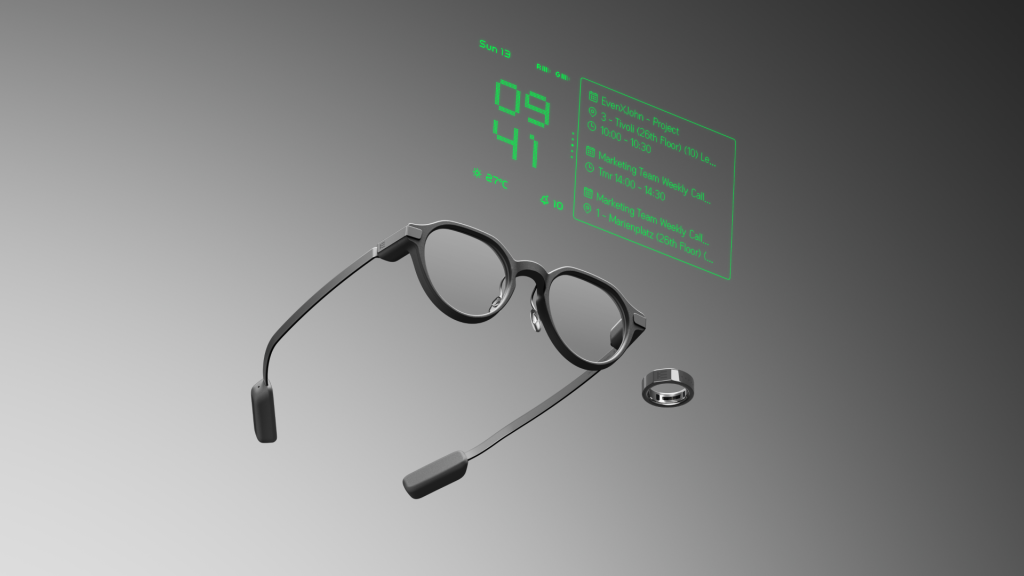
AR glasses in 2026 succeed or fail based on practical features, not futuristic marketing. Buyers care most about whether the display stays clear in bright environments, whether AI responds fast enough to be useful, whether the glasses connect smoothly with existing devices, and whether they remain comfortable after hours of wear. These factors shape everyday experiences across work, travel, communication, navigation, and entertainment. The best AR glasses now focus less on novelty and more on dependable performance that improves real tasks without adding friction, distraction, bulk, or unnecessary complexity.
Display Quality That Impacts Experience
Resolution, Brightness, and Color Performance
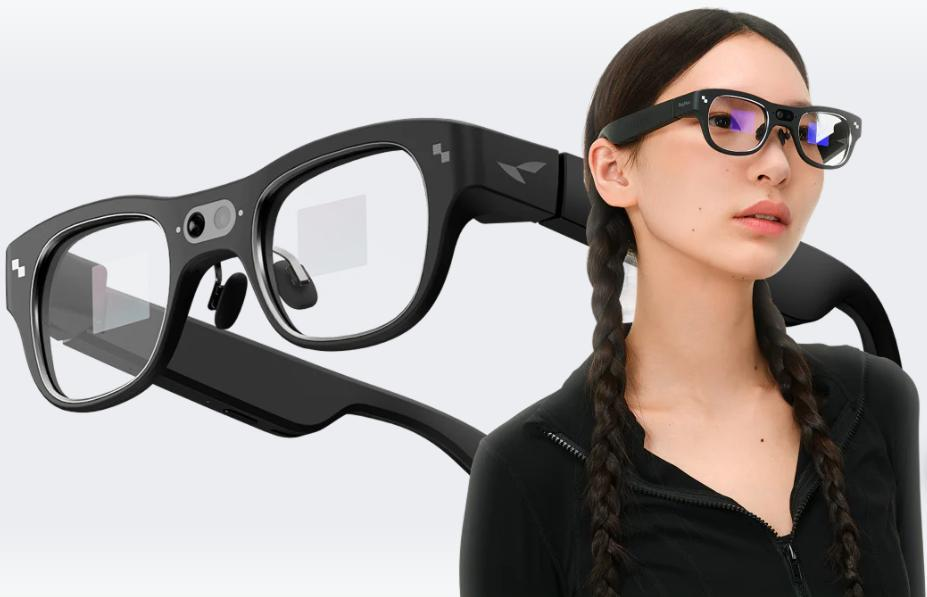
Display quality remains the first feature users notice because it affects legibility, immersion, and eye strain immediately. Sharp resolution helps text, maps, subtitles, and interface elements stay readable without constant refocusing. High brightness matters just as much, especially for outdoor use or brightly lit offices where dim overlays quickly become useless. Strong color performance improves realism and content clarity. For example, RayNeo X3 Pro uses the Firefly Optical Engine to deliver 16.77 million colors and up to 6000 nits, showing why brightness and color accuracy are now central, not optional.
Field of View and Visual Comfort
A wider field of view makes digital content feel more natural by reducing the cramped, floating-window effect common in earlier AR wearables. It helps navigation prompts, notifications, and workspace elements stay visible without forcing constant head movement. Visual comfort matters equally because poor optics, distortion, or mismatch between virtual overlays and real surroundings can create fatigue quickly. Effective AR glasses balance field of view with optical clarity, stable image placement, and low visual interference. The goal is simple: information should appear where needed without overwhelming the user’s natural sightline.
AI Processing and Smart Functionality
On-Device AI and Edge Computing
On-device AI has become one of the most valuable AR glasses features because it reduces lag, improves privacy, and keeps core functions available without constant cloud dependence. Edge computing allows glasses to process voice commands, object recognition, translation, and scene understanding locally, creating faster responses in real-world situations. That speed matters when users need immediate guidance, captions, or contextual prompts while moving. Efficient on-device processing also preserves battery better than continuous remote requests. In 2026, useful AR glasses do not just display information; they interpret environments quickly and act on them reliably.
Context-Aware Intelligent Interaction
Smart functionality matters most when it feels relevant instead of intrusive. Context-aware interaction lets AR glasses respond to what the user is seeing, hearing, or doing at that moment. That can mean surfacing directions at the right turn, identifying objects, summarizing conversations, or showing timely reminders tied to location and activity. The best systems reduce manual input rather than adding more interface management. Accurate sensors, camera input, and responsive software work together to make assistance feel seamless. In practice, intelligence matters less as a headline feature and more as a friction-reducing tool.
Connectivity and Ecosystem Integration
Multi-Device Compatibility
AR glasses become far more useful when they work smoothly with the devices people already use every day. Strong multi-device compatibility allows users to shift between phone notifications, laptop productivity, tablet media, and wearable controls without rebuilding workflows. That flexibility is essential for remote work, travel, and hybrid personal-professional use. Stable wireless pairing, low-latency data transfer, and easy switching between platforms matter more than isolated features. In 2026, buyers should prioritize AR glasses that fit into their existing tech setup naturally, because disconnected hardware quickly turns even advanced features into occasional novelties.
Cloud and App Synchronization
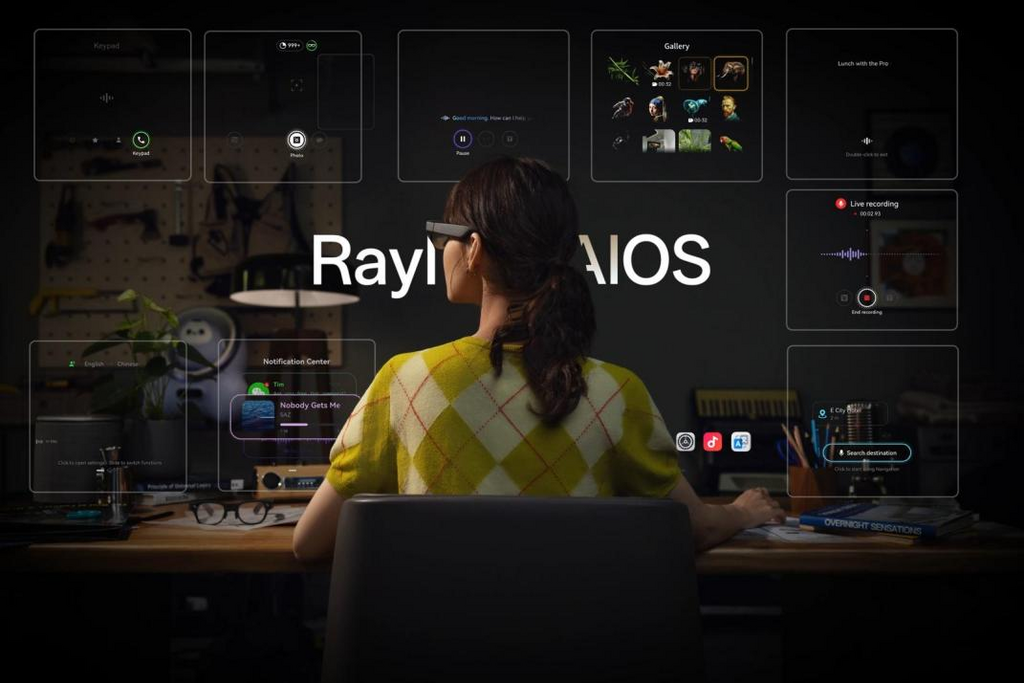
Reliable cloud and app synchronization extends AR glasses beyond standalone hardware and turns them into part of a continuous digital experience. Notes, messages, media, navigation history, and workspace settings should sync automatically so users can resume tasks across devices without interruption. Good integration also supports software updates, personalized recommendations, and shared data between productivity, fitness, communication, and entertainment apps. The value is consistency: the glasses should reflect the same information ecosystem users already trust elsewhere. When synchronization works well, AR becomes less of a separate platform and more of an interface layer.
Comfort and Wearability Factors
Lightweight Design and Long-Term Use
Comfort directly affects whether AR glasses become daily tools or stay unused in a drawer. Lightweight design reduces pressure on the nose and ears, making longer sessions far more realistic for work, travel, and media use. This is where hardware details matter. RayNeo X3 Pro, for example, weighs 76g, a meaningful advantage for extended wear compared with heavier headsets. Balanced weight distribution also matters because even light glasses can feel tiring if pressure gathers in one area. In 2026, wearability is not secondary; it determines real adoption as much as software.
Fit, Adjustability, and User Comfort
A good fit matters because AR glasses must stay stable during movement without creating pressure points. Frames should accommodate different face shapes, prescription needs, and varied use cases, from desk work to walking navigation. Adjustable nose pads, well-shaped temples, and secure balancing help maintain image alignment and reduce discomfort over time. User comfort also depends on thermal management, as heat near the face quickly becomes distracting. The best ar glasses feel familiar enough to wear naturally while still supporting cameras, sensors, and audio. If it is wrong, every other feature becomes less valuable.
Conclusion
The AR glasses features that matter in 2026 are the ones that improve everyday use immediately: clear displays, fast on-device AI, dependable connectivity, and genuine comfort. Buyers should focus on whether the glasses stay readable outdoors, respond intelligently without delay, fit existing device ecosystems, and remain wearable for extended sessions.
Specs only matter when they support those outcomes. Strong brightness, accurate color, lightweight construction, and responsive smart functions all contribute to practical value. The best AR glasses no longer win attention through novelty alone; they earn it through sustained, real-world usability.

-
 Business6 months ago
Simpcit6: Boost Productivity and Streamline Business Operations
-
 News5 months ago
Marcus Hamberg Flashback: Impact on Finance and Real Estate
-
 Biography2 months ago
Elizabeth Mary Wilhelmina Bentinck: Biography, Family, Career, and Private Life
-
 Blog6 months ago
Exploring the Booming Housing Market in the Dallas Metro Area
-
 Blog4 months ago
Tsunaihaiya Explore Native Spirit and Cultural Legacy
-
 Tech10 months ago
Eporer | Empowering Companies with Innovation for Lasting Growth
-
 Blog6 months ago
Uno Lamp Shade Replacement: Measuring and Installation Tips
-

 News2 months ago
The Digital Revolution: Exploring Cosmetics Shopping Online