
Tech
What Size Solar Panel System Do You Really Need?

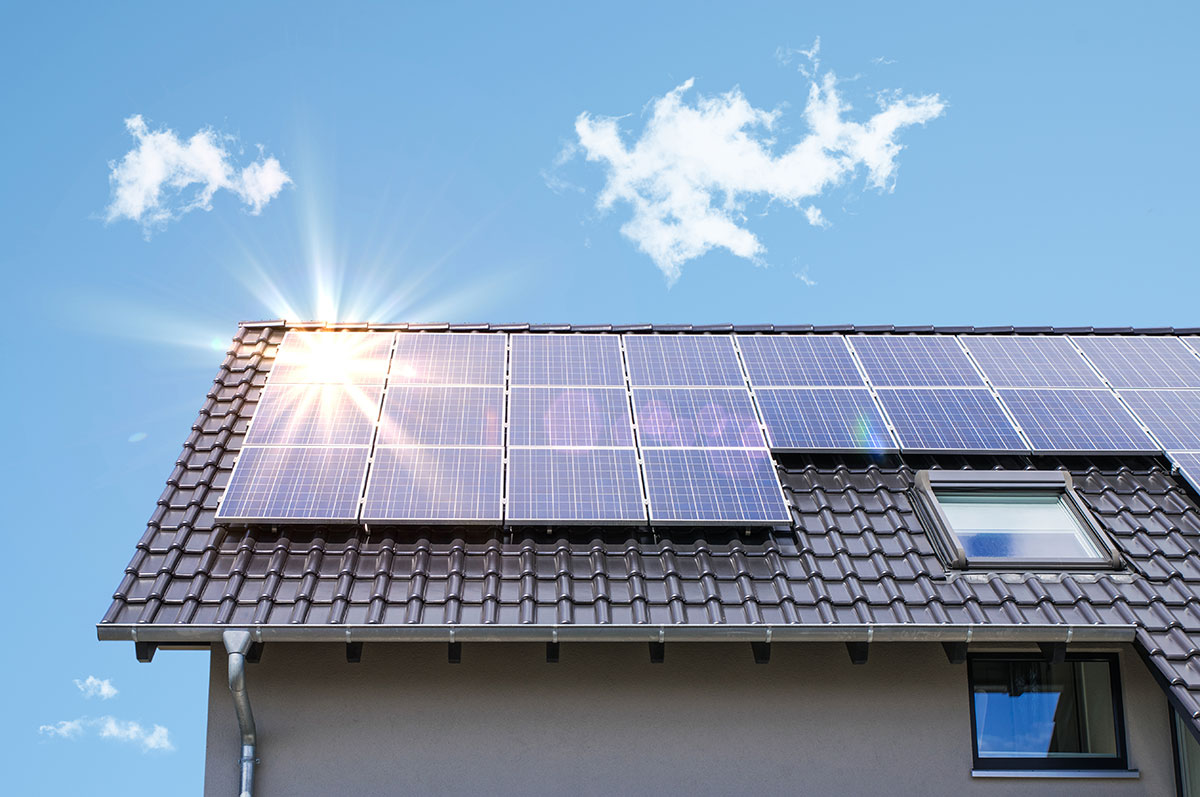
A solar panel system should match your actual power needs, not a rough guess or the biggest setup your budget allows. When the system is too small, you run short on energy and rely more on the grid or a generator. When it is too large, you may spend more than necessary on panels, batteries, and installation.
The best approach is to size your system around daily electricity use, the devices you plan to run, and the amount of sunlight your location receives. You also need to consider whether the system will be fixed in one place or portable for travel and temporary use. By working through a few clear steps, you can choose a solar setup that performs well, fits your routine, and gives you better value over time.
Step 1: Calculate How Much Power You Actually Use
Check Your Daily and Monthly Electricity Consumption
Start with the numbers you already have. Your electricity bill usually shows total monthly usage in kilowatt-hours, which gives you a reliable baseline for sizing a residential solar system. Divide that monthly figure by 30 to estimate daily consumption. For example, 600 kWh per month equals about 20 kWh per day.
If your use changes by season, review several bills and work from a yearly average or your highest-use period. For portable systems, track battery charging needs or calculate watt-hours directly. A 100W device running for five hours uses 500Wh. Write down your total daily requirement first, because system size should be based on energy needed per day, not just the watt rating of the panels.
Identify the Devices and Appliances You Want to Power
Next, list exactly what your solar setup needs to run. This is especially important for RVs, camping, backup power, and partial-home systems where you may not be covering every load. Include each appliance, its wattage, and daily run time. A laptop might use 60W for four hours, a portable fridge 60W cycling through the day, and LED lights 10W each for several hours.
Add everything together to get a realistic daily total. Also note startup surges from equipment such as refrigerators, pumps, and power tools, because those affect inverter sizing even if total energy use stays modest. If your goal is backup power, decide whether you want essentials only, such as lights, internet, and refrigeration, or higher-demand loads as well. A clear device list turns a rough estimate into a practical solar plan.
Step 2: Factors That Determine the Right Solar Panel System Size
Sunlight Hours, Location, and Installation Conditions
Peak sun hours are one of the biggest sizing factors. A 1 kW solar array in a sunny area with five peak sun hours can produce far more energy than the same array in a location averaging three to four. That is why two households with similar electricity use may need different system sizes. Roof direction, tilt angle, shading from trees or nearby buildings, and seasonal weather also affect production.
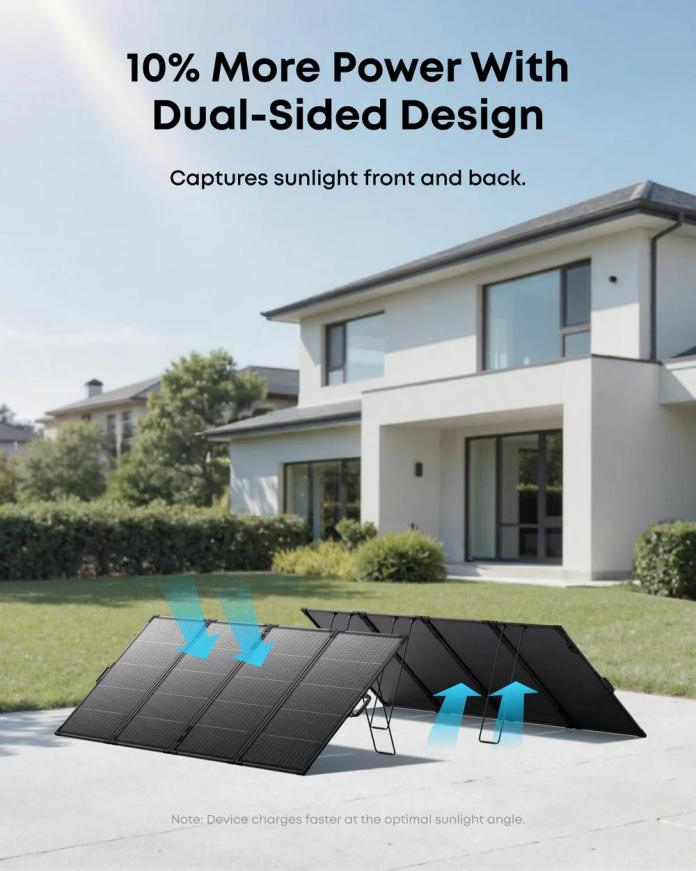
Portable panels depend even more on placement, since output improves when you can reposition them through the day. Installation conditions matter as well: heat can reduce performance, dirt can block light, and poor orientation lowers overall yield. Open, reflective areas can help bifacial panels generate more power by capturing light from both sides. When estimating system size, use your local sunlight conditions rather than a generic national average to avoid underbuilding or overspending.
Panel Efficiency, Battery Storage, and Future Energy Needs
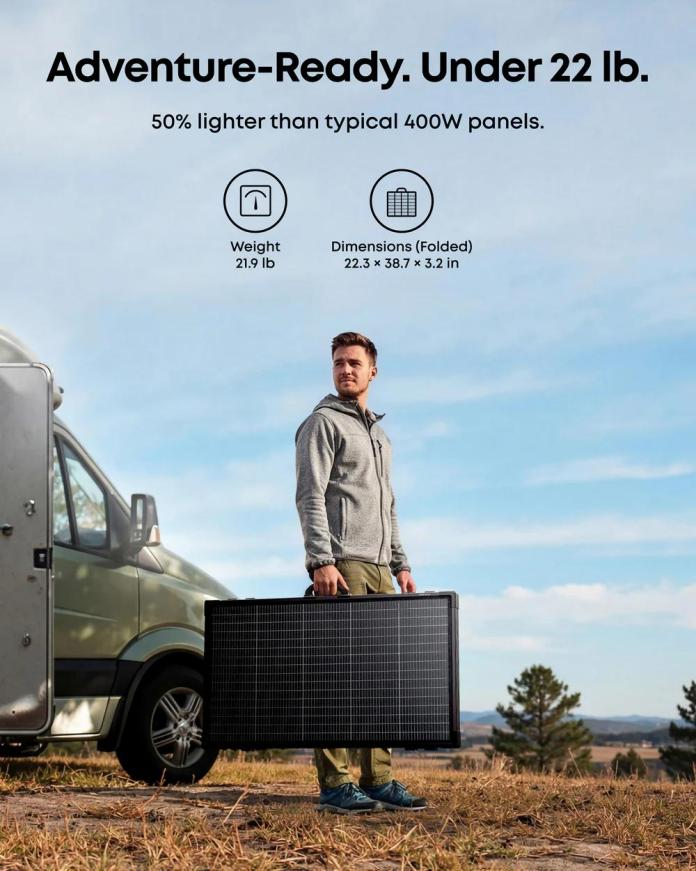
Higher-efficiency panels can produce more power in less space, which is useful on small roofs, RVs, or portable setups where area is limited. For example, the Anker SOLIX PS400 Bifacial Portable Solar Panel uses next-generation N-type solar cells with 25%+ conversion efficiency and dual-sided output for up to 10% more power in reflective environments such as sand, snow, or concrete.
It is also designed for portability at 22 lb including the stand, with IP68 water and dust resistance, a reinforced aluminium frame, a 10-year lifespan, and a 5-year warranty. Battery storage is the next key decision. If you need overnight use, outage protection, or off-grid independence, size your battery bank to cover the loads you want to run without sunlight. Finally, leave room for future demand. Adding an EV charger, air conditioning, or more travel gear later can make a once-adequate system feel undersized.
Step 3: Choose the Best Solar Panel Solution for Your Situation
Recommended System Sizes for Home, RV, Camping, and Backup Power
For many homes, a system in the 5 kW to 10 kW range covers a meaningful share of electricity use, with larger homes often needing more. A small cabin, shed, or essential-load backup setup may work well with 1 kW to 3 kW. RV systems often fall between 200W and 1,200W depending on whether you are charging phones and lights or running fridges, fans, and larger electronics.
Camping setups are commonly 100W to 400W for light daily use. For emergency backup, think in terms of essential loads first: refrigeration, lights, communications, and medical devices. That usually points to a smaller, more affordable system than whole-home backup. Size for what you must power reliably, then expand if your needs grow.
Compare Portable and Fixed Solar Panel Systems
Portable solar panels systems work best when flexibility matters. They are useful for RV trips, camping, temporary job sites, and emergency backup because you can deploy them where sunlight is strongest and store them when not in use. They also avoid permanent installation and can pair well with portable power stations. Fixed systems are better for routine, higher-volume energy production at home because they offer stable placement, easier scaling, and stronger long-term output.
The tradeoff is reduced mobility and a more involved installation process. If your energy use is occasional or mobile, portable panels are usually the smarter fit. If you want to reduce regular utility bills or support larger household loads, a fixed roof or ground-mounted array is typically the better choice. The best option is the one that matches how you actually consume power.
Conclusion
The right solar panel system size is the one that covers your real daily energy needs under your actual sunlight conditions, with enough margin for losses and future use. Start by calculating how much electricity you consume, then factor in location, panel efficiency, installation conditions, and whether you need battery storage. From there, choose a system type that fits your situation, whether that means a fixed home array, an RV setup, a camping solution, or backup power for essentials. This approach gives you a clear answer instead of an oversized guess. When you size solar correctly, you improve performance, control costs, and get a system that is practical to use every day rather than impressive only on paper.

-
 Business6 months ago
Simpcit6: Boost Productivity and Streamline Business Operations
-
 News6 months ago
Marcus Hamberg Flashback: Impact on Finance and Real Estate
-

 Biography2 months ago
Ahna Mac Height: Biography, Age, Net Worth, Career & Real Facts
-
 Biography2 months ago
Elizabeth Mary Wilhelmina Bentinck: Biography, Family, Career, and Private Life
-
 Blog7 months ago
Exploring the Booming Housing Market in the Dallas Metro Area
-

 News2 months ago
The Digital Revolution: Exploring Cosmetics Shopping Online
-
 Blog5 months ago
Tsunaihaiya Explore Native Spirit and Cultural Legacy
-
 Tech10 months ago
Eporer | Empowering Companies with Innovation for Lasting Growth