
Home Improvement
The Effects of Fast Home Sales on Local Communities

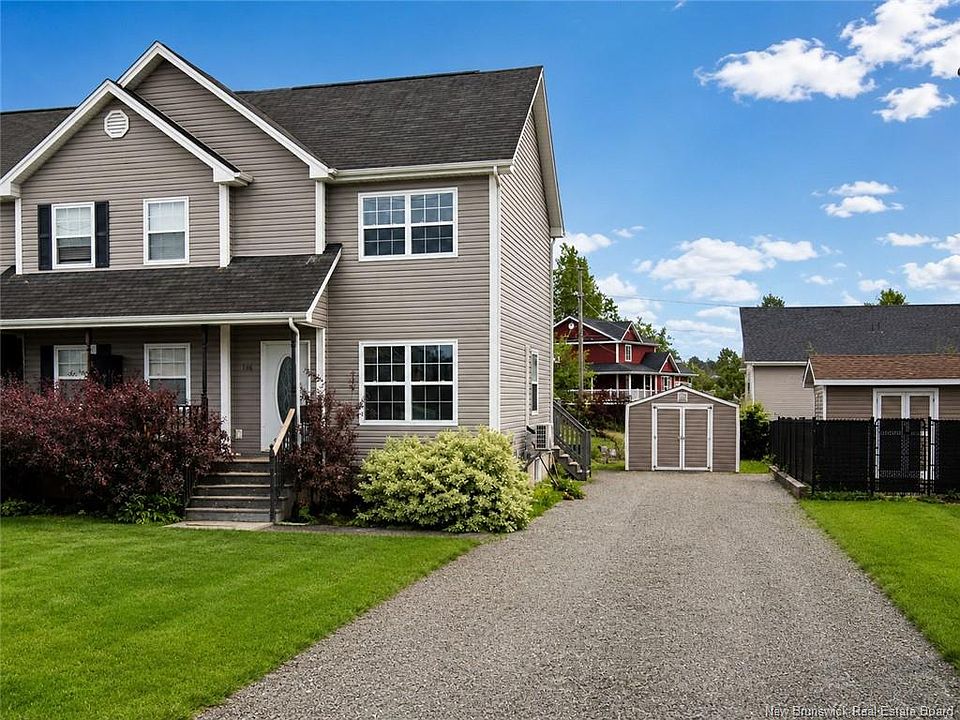
The Rise of Quick Home Sales
Across the United States, the real estate market is shifting toward ever-faster transactions. Many cities, including St. Louis, Hartford, and Seattle, have seen over a third of homes go pending within a week of listing, spurred by a combination of strong buyer demand and limited inventory. As buyers compete and sellers enjoy historically high property values, homes are frequently snapped up within days, fundamentally changing the market’s character. For homeowners seeking to sell quickly, resources like https://grandhousebuyers.net/ offer streamlined sales options. This rapid turnover comes with both expected and unexpected repercussions. While many view fast sales as signs of a healthy real estate sector, there are significant underlying consequences for both individuals and communities. Inventory constraints, shifts in buyer demographics, and the increased influence of investors all contribute to these rapid transactions. The fast-paced nature of these sales can create additional challenges for residents, especially those looking for stability and long-term community development. As neighborhood makeup evolves rapidly, adjusting to these changes becomes crucial. For more perspective on how local property investors are adapting to this trend, the role of Grand House Buyers highlights the increasingly prominent part these organizations play in facilitating quick transitions between owners while also influencing broader market patterns.
Impact on Property Values
Quick home sales exert considerable pressure on property values. In cities such as New York City, research has shown that flipping activity is associated with a 64% increase in resale prices in certain neighborhoods, disproportionately impacting communities of color. Higher sale prices can make homeownership unattainable for first-time buyers and accelerate gentrification, shifting socioeconomic and cultural dynamics within established communities. Moreover, rapidly rising prices often put pressure on rental markets, raising monthly rents and reducing overall housing affordability. The surge in investor activity can push families, young professionals, and essential workers to seek housing further from urban centers, raising transportation costs and impacting local economies. The perceived wealth generated by home appreciation may mask the costs imposed on the most vulnerable residents, who may be priced out not only of homeownership but of living in their own neighborhood at all.
Community Cohesion and Demographic Shifts
One of the most profound, yet less quantifiable, impacts of fast home sales is the erosion of community cohesion. Neighborhoods with high turnover rates often see long-term residents replaced by a largely transient population. This can erode trust, shared history, and neighborhood bonds, making it difficult for communities to build or maintain a sense of identity. Rising values may also displace original inhabitants, exacerbating demographic issues. When turnover is rapid, residents lose the chance to develop lasting relationships with neighbors or to participate in long-standing community organizations. The sense of safety and mutual support that comes from knowing neighbors and building traditions can be weakened, replaced by feelings of uncertainty and isolation. In some cases, neighborhood associations, local schools, and businesses struggle with fluctuating populations, making it harder to deliver consistent services or foster local pride. These subtle social shifts can have real, lasting consequences for collective well-being and neighborhood resilience.
Economic Implications
While brisk home sales can stimulate local economies by attracting investment and boosting municipal tax revenues, they may also exacerbate economic inequality. In places like San Diego, mounting property taxes and insurance costs have led owners to sell quickly, often to cash buyers and investors. This, in turn, increases financial pressures for those remaining. Many long-established homeowners cannot compete with cash offers and may be forced to accept lower-quality living situations, contributing to the widening wealth gap. For a closer look at these broad economic effects, NPR covers the topic from a national perspective. Additionally, rapid turnover can disrupt the workforce by forcing essential workers to relocate or commute longer distances, impacting everything from public safety to school staffing. Local businesses may see greater volatility in their customer base, with established small businesses struggling to compete as neighborhood demographics shift. This dynamic creates both economic winners and losers, sharply dividing communities along income and generational lines, and potentially stifling the very diversity that once made neighborhoods vibrant.
Planning for Sustainable Growth
Communities do have tools to help manage and mitigate the negative impacts of quick home sales. Local governments and planners can prioritize affordable housing initiatives, adopt policies to protect long-term residents from displacement, and encourage responsible investment that centers on community development rather than speculative profit. Engaging the local population early and ensuring representation helps balance growth with equity and opportunity.
- Establishing affordable housing initiatives to maintain economic diversity.
- Implementing policies that protect long-term residents from displacement.
- Encouraging responsible investment practices that prioritize community well-being.
- Incentivizing mixed-income developments to ensure that new housing benefits a variety of residents, not just those with the most purchasing power.
- Strengthening tenant protections and providing legal assistance for those vulnerable to eviction or predatory offers.
- Supporting local financial literacy programs to help residents understand their rights and navigate rapid market changes.
Community leaders can partner with non-profits, anchor institutions, and local businesses to create long-term strategies for stability, such as land trusts or co-op housing models, which keep homes affordable across generations. Transparent communication between developers, city officials, and residents can also foster trust and collaborative problem-solving. Open forums and town hall meetings allow for more democratic input into urban and suburban planning, yielding policies that are both effective and equitable.
Conclusion
Fast home sales are transforming suburban and urban neighborhoods in multi-layered ways. While these quick transactions may provide immediate financial benefits for certain stakeholders, they also risk undermining long-term community strength and inclusivity. Effective public policy and thoughtful investment can help mitigate negative outcomes, preserving a sense of community even as local markets evolve. Approaching these challenges with an understanding of both economic dynamics and human impacts ensures communities remain resilient, welcoming, and sustainable for all residents. The effects of rapid residential turnover extend far beyond mere real estate statistics. Community relationships, local traditions, access to opportunity, and economic vitality are all shaped by the pace of home sales. Acknowledging the interconnectedness of these issues and the need for inclusive solutions is essential for nurturing neighborhoods that are not only prosperous but also compassionate and just. As stakeholders in this process, residents, investors, and policymakers must work together to build housing markets that prioritize human dignity alongside financial success.

-

 Biography2 months ago
Ahna Mac Height: Biography, Age, Net Worth, Career & Real Facts
-
 Business7 months ago
Simpcit6: Boost Productivity and Streamline Business Operations
-
 News6 months ago
Marcus Hamberg Flashback: Impact on Finance and Real Estate
-
 Biography2 months ago
Elizabeth Mary Wilhelmina Bentinck: Biography, Family, Career, and Private Life
-
 Blog7 months ago
Exploring the Booming Housing Market in the Dallas Metro Area
-

 News3 months ago
The Digital Revolution: Exploring Cosmetics Shopping Online
-
 Blog5 months ago
Tsunaihaiya Explore Native Spirit and Cultural Legacy
-
 Tech10 months ago
Eporer | Empowering Companies with Innovation for Lasting Growth