
Tech
How Do Solar Security Cameras Perform Year-Round?

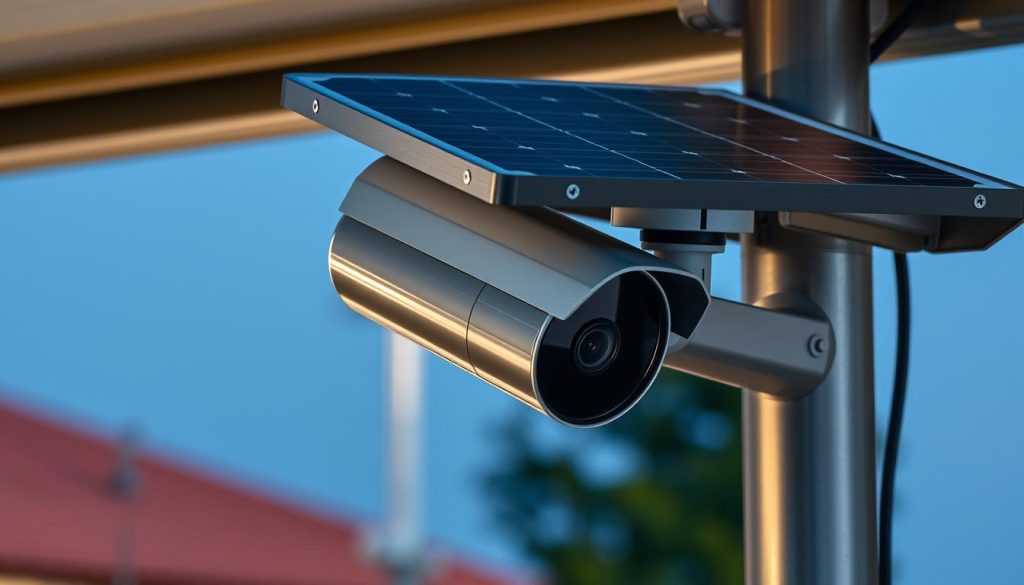
Solar security cameras can perform reliably throughout the year when they are matched to the site, installed correctly, and supported by efficient battery management. Their performance does not stay identical in every season, though. Winter brings shorter days and lower sun angles, summer adds heat and stronger sunlight, and spring or fall often introduce rain, wind, pollen, and shifting cloud cover.
These changes affect how much energy the solar panel collects and how often the camera can run power-hungry features such as continuous recording, spotlights, or frequent motion alerts. The good news is that modern solar-powered security systems are designed for seasonal variation. With the right setup and routine maintenance, they can deliver dependable monitoring in changing weather all year.
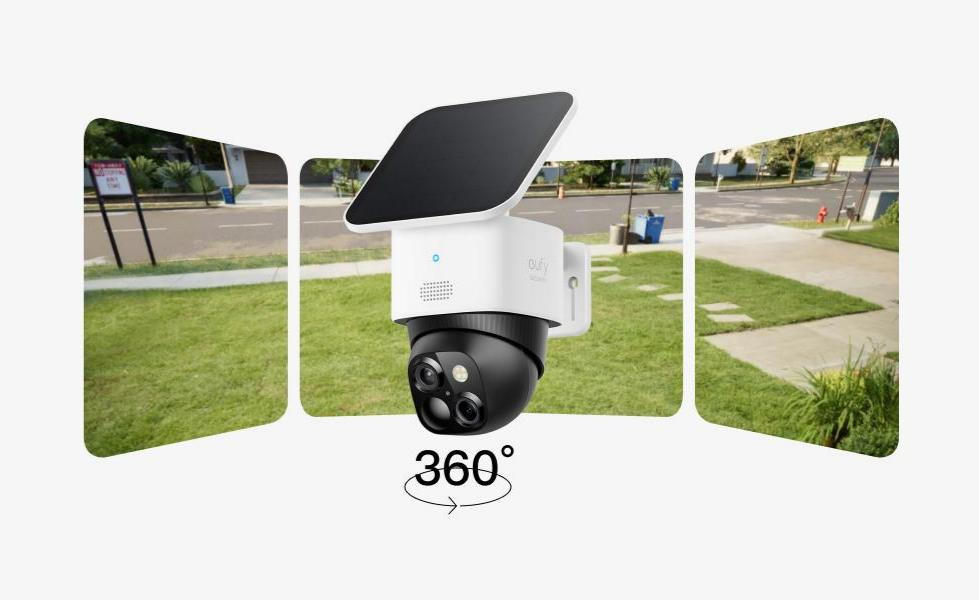
What Affects Solar Security Camera Performance in Every Season?
How Sunlight, Temperature, and Weather Impact Charging
Sunlight is the main factor behind year-round performance because solar security cameras depend on daily exposure to recharge. In summer, longer days and stronger sun usually support faster charging and more consistent operation. In winter, reduced daylight hours, lower sun angles, and persistent cloud cover can slow charging significantly. Weather also plays a direct role.
Snow can block panels, heavy rain can reduce solar gain for several days, and dust or fallen leaves can limit energy collection even in bright conditions. Temperature matters too. Cold weather can reduce battery efficiency, while extreme heat may strain electronics and shorten battery lifespan over time. A well-rated outdoor camera can still function across seasons, but charging speed and available runtime will closely track actual site conditions.
Battery Storage and Power Management Throughout the Year
Battery storage determines how well a solar camera bridges cloudy days, overnight use, and seasonal dips in charging. A larger battery gives the system more reserve power, which is especially useful in winter or in shaded locations where the panel cannot fully recharge every day. Smart power management also makes a major difference year-round.
Cameras can conserve energy by waking only for motion events, lowering video resolution when needed, reducing spotlight use, and limiting unnecessary notifications. These adjustments help stretch stored power without sacrificing essential coverage. During brighter months, the battery may remain near full charge and support more frequent activity. During darker periods, efficient energy use becomes critical. Strong battery capacity paired with balanced power settings is what keeps solar-powered protection dependable across changing seasons.
How Solar Security Cameras Adapt to Changing Conditions
Features That Help Maintain Reliable Performance
Modern solar security cameras use several built-in features to stay dependable as conditions shift through the year. High-efficiency solar panels help harvest more energy from limited sunlight, which is useful during winter and overcast periods. Rechargeable lithium batteries store extra power for nighttime use and multi-day stretches of weak sun. Many cameras also use low-power standby modes, motion-triggered recording, and app-based power controls to reduce unnecessary drain.
Weather-resistant housing protects the camera and solar panel from rain, dust, and seasonal temperature swings. Some models also include battery status monitoring, charging reports, and customizable detection zones, allowing users to fine-tune performance based on the season. Together, these features help the system respond to shorter days, cloud cover, heat, and storms without losing the core function of reliable property monitoring.
Best Installation Practices for Year-Round Efficiency
Installation has a direct effect on solar camera performance in every season. The solar panel should face the direction that receives the strongest daily sunlight and remain free from obstructions such as rooflines, trees, fences, or seasonal foliage growth. Mounting angle matters as well, because a panel that catches summer sun efficiently may underperform in winter if it is too flat. Positioning it to receive broad daytime exposure improves annual charging consistency.
The camera should also be installed where motion detection is useful but not excessive, since constant triggers waste stored power. Keeping Wi-Fi signal strength stable reduces failed uploads and repeated connection attempts that can drain the battery. For year-round efficiency, installation should balance solar access, detection accuracy, weather exposure, and ease of maintenance, not just the view of the monitored area.
How to Maximize Solar Security Camera Performance All Year
Seasonal Maintenance Tips for Consistent Operation
Routine maintenance keeps a solar security camera operating more consistently across the year. Clean the solar panel regularly so dirt, pollen, bird droppings, and leaf debris do not reduce charging efficiency. In winter, remove snow or ice promptly if buildup covers the panel. During stormy seasons, inspect mounts, seals, and cable connections to make sure nothing has loosened or shifted.
It is also smart to check battery status in the app after long cloudy periods and review activity settings if power drops faster than expected. Trimming nearby branches helps prevent new shade as the seasons change. Firmware updates are worth installing because they may improve power management and motion accuracy. Small maintenance steps like these protect charging performance and reduce unexpected downtime throughout the year.
Choosing the Right Solar Security Camera for Your Property
Choosing the right solar security camera starts with your property conditions, not just the camera itself. Look for a model with a battery capacity that can handle several low-sun days, especially if your region has long winters or frequent storms. A high-efficiency solar panel and weather-resistant design are essential for year-round outdoor use.
Motion-triggered recording, adjustable detection sensitivity, and flexible power settings also matter because they let you control energy use based on traffic around the camera. If your installation area gets partial shade, prioritize a system designed for low-power operation and efficient charging. You should also consider where the camera will be mounted, how strong the Wi-Fi signal is there, and whether regular panel cleaning will be easy. The best choice is one that fits both climate conditions and daily usage demands.
Conclusion
Solar security cameras do perform year-round, and they do it best when sunlight access, battery capacity, installation, and maintenance all work together. Seasonal changes affect charging and power use, but they do not prevent reliable operation when the system is set up thoughtfully. Strong solar exposure, smart energy management, and regular upkeep help the camera stay ready through winter clouds, summer heat, and everything between. For most properties, the key is not whether solar security cameras can handle all seasons, but whether the chosen setup is suited to the location. Get that right, and year-round solar-powered security can be practical, efficient, and dependable.

-

 Biography2 months ago
Ahna Mac Height: Biography, Age, Net Worth, Career & Real Facts
-
 Business6 months ago
Simpcit6: Boost Productivity and Streamline Business Operations
-
 News6 months ago
Marcus Hamberg Flashback: Impact on Finance and Real Estate
-
 Biography2 months ago
Elizabeth Mary Wilhelmina Bentinck: Biography, Family, Career, and Private Life
-
 Blog7 months ago
Exploring the Booming Housing Market in the Dallas Metro Area
-

 News2 months ago
The Digital Revolution: Exploring Cosmetics Shopping Online
-
 Blog5 months ago
Tsunaihaiya Explore Native Spirit and Cultural Legacy
-
 Tech10 months ago
Eporer | Empowering Companies with Innovation for Lasting Growth