
Tech
How Do Noise Cancelling Headphones Really Work?

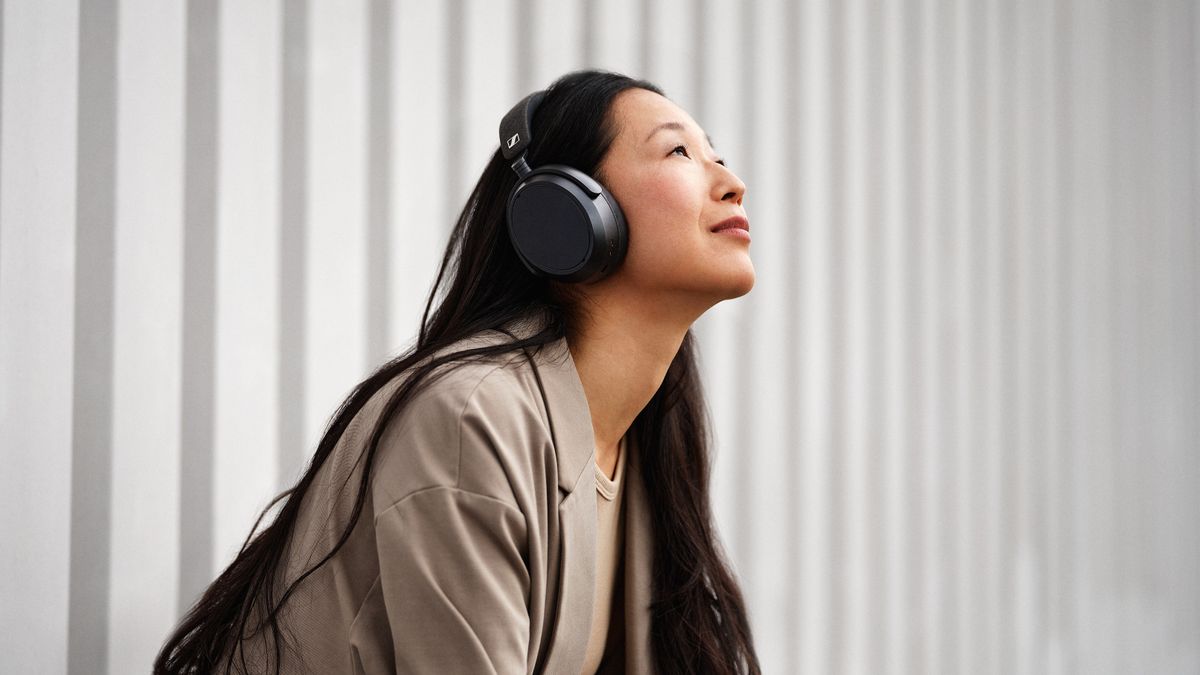
Noise cancelling headphones work by reducing outside sound in two ways: they physically block noise and they electronically counter it. The key technology, active noise cancellation, or ANC, uses microphones to detect incoming sound and creates an opposite sound wave that lowers what reaches your ears.
This process is especially effective against steady, low-frequency noise such as airplane engines, train rumble, road noise, and office ventilation. At the same time, the headphone design, ear cup seal, and cushion materials help limit higher-frequency sounds that ANC alone cannot remove as easily. Together, these systems make listening clearer and more comfortable at lower volume levels. Understanding how they function helps explain why some headphones perform better than others in daily use.
The Science Behind Noise Cancelling Headphones
How Active Noise Cancellation Uses Sound Waves
Active noise cancellation works through a principle called destructive interference. Small microphones placed on or inside the headphones listen to ambient sound around you. The headphone circuitry then analyzes that noise and generates an inverse waveform, essentially a mirror image of the unwanted sound. When the original noise and the anti-noise meet, they partially cancel each other before reaching your ear. This all happens in fractions of a second, so the effect feels immediate. ANC performs best with predictable, continuous sounds because those are easier to measure and counter accurately. More advanced systems use multiple microphones and adaptive processing to respond to changes in noise levels, improving consistency whether you are commuting, flying, working, or simply trying to focus in a busy space.
Why Passive Isolation Still Matters
Passive isolation is the non-electronic part of noise reduction, and it remains essential even in headphones with advanced ANC. The ear cups, padding, clamp force, and overall shape create a seal that blocks external sound before any digital processing begins. This physical barrier is particularly helpful for midrange and high-frequency noises such as voices, keyboard clicks, and sudden nearby sounds, which are harder for ANC to cancel perfectly. Good passive isolation also improves active noise cancellation because less outside sound leaks in for the system to fight. In practice, strong ANC and effective passive isolation work together rather than compete. That is why the comfort, materials, and fit of the headphones often matter just as much as the electronics when you judge real-world noise reduction.
What Determines ANC Performance in Real Life?
Which Types of Noise Are Easiest to Cancel?
The easiest sounds for ANC to cancel are low-frequency, consistent noises. Examples include airplane cabin hum, bus engines, subway rumble, air conditioning, and the steady drone of appliances. These sounds follow a stable pattern, giving the headphones enough time to detect them and produce an accurate anti-noise signal. Higher-frequency and irregular sounds are more difficult.
Speech, barking dogs, dishes clattering, and sudden traffic bursts change too quickly and contain sharper details, so ANC usually reduces them rather than erasing them. That is why noise cancelling headphones can make a café or office feel much quieter without making it completely silent. The best listening experience comes when ANC handles the low-end noise floor and passive isolation softens the rest, creating a calmer and less distracting background overall.
How Fit, Ear Cushions, and Environment Affect Results
ANC performance depends heavily on how the headphones sit on your head. A secure seal around the ears helps block sound leakage and allows the cancellation system to work as intended. If the ear cushions are worn out, too firm, or do not match your head shape well, more outside noise slips through. Glasses, hair, and movement can also break the seal. The surrounding environment matters too. On a plane or train, where noise is steady, ANC often feels more dramatic. In a crowded street with changing sounds, the effect is still useful but less absolute. Battery level, microphone placement, and processing quality also influence consistency, which is why comfort and build design are practical parts of noise cancelling performance, not just secondary details.
Choosing Noise Cancelling Headphones for Your Needs
Features to Look for Before You Buy
When choosing noise cancelling headphones, focus on how and where you will use them. Strong ANC matters most for travel, commuting, and shared workspaces, while comfort becomes critical for long listening sessions. Look for well-padded ear cushions, a stable fit, and battery life that matches your routine. Sound quality should remain balanced with ANC turned on, and clear controls make switching modes easier during daily use.
Useful extras can include transparency mode for hearing surroundings, multipoint connection for moving between devices, and app-based customization for EQ or noise control settings. Build quality also deserves attention because hinges, cushions, and headbands affect long-term value. The best pair is not simply the one with the strongest cancellation, but the one that combines effective noise reduction with comfort, usability, and reliable everyday performance.
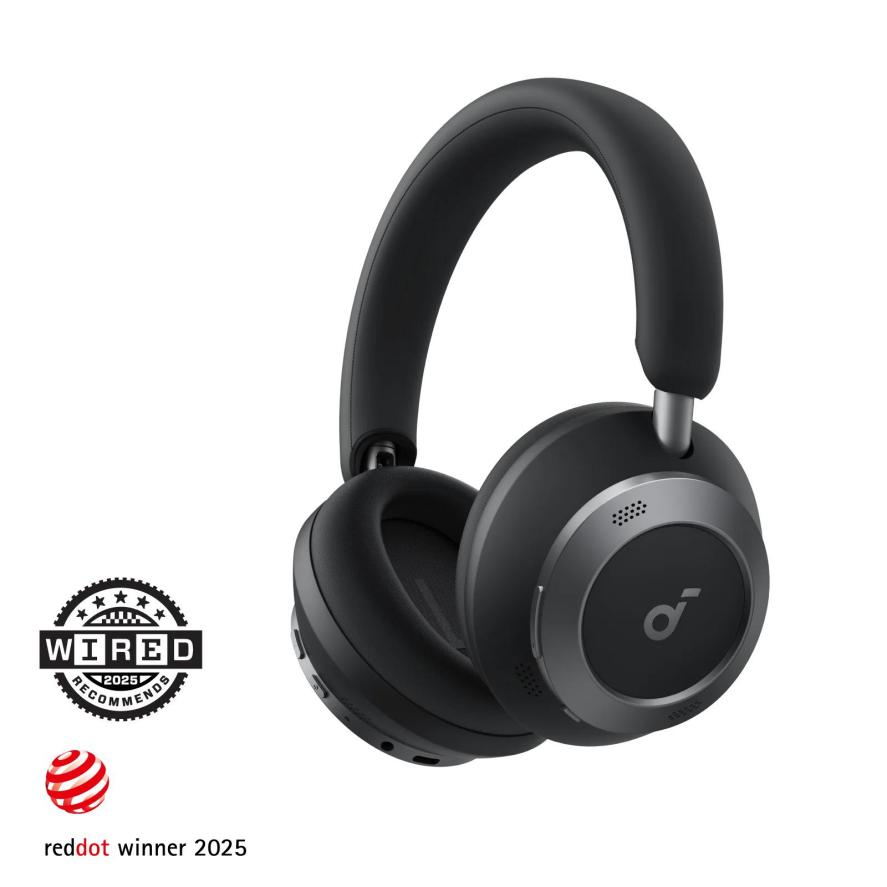
Explore soundcore ANC Headphones for Everyday Listening
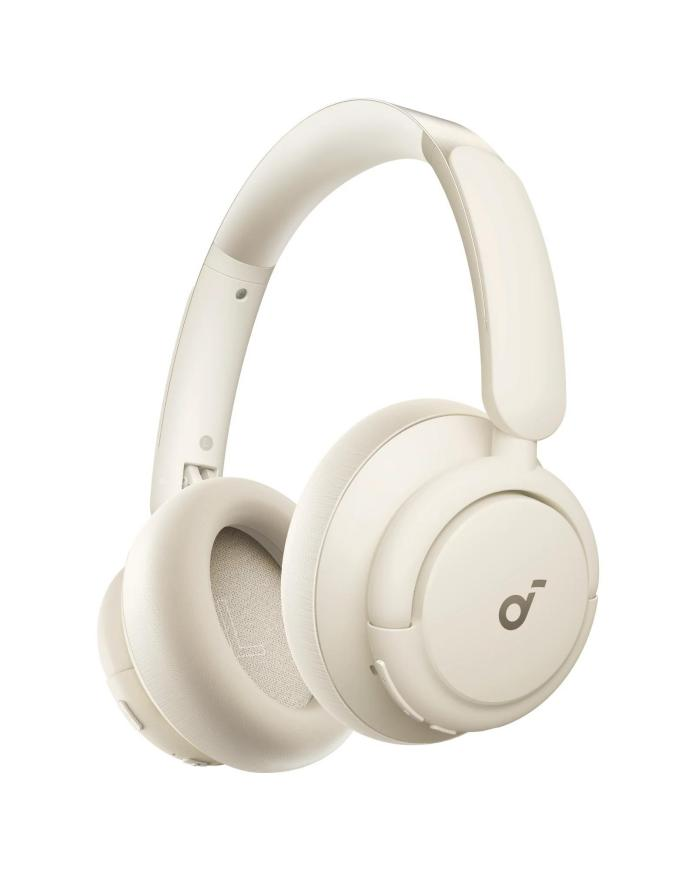
For everyday listening, soundcore ANC headphones are worth exploring if you want practical features in a user-friendly design. A good option should combine effective active noise cancellation with comfortable ear cushions, stable wireless performance, and battery life that supports commuting, work, and relaxation without constant charging.
Models in this category often include multiple listening modes, allowing you to switch between stronger isolation and greater awareness of your surroundings. App support can also help you tailor sound and noise control to different environments. When evaluating a pair for daily use, pay attention to comfort over several hours, call quality, and how naturally the headphones transition between music playback and real-world listening. Those details often shape satisfaction more than raw specifications alone.
Conclusion
Noise cancelling headphones really work by combining active electronics with physical sound blocking. ANC reduces steady background noise by creating an opposing sound wave, while passive isolation helps limit sounds that are harder to cancel, especially higher frequencies. Their real-world performance depends on the type of noise around you, the headphone fit, cushion seal, and overall design quality. For listening at home, during travel, or in busy work settings, the right pair can make audio clearer and more comfortable without pushing volume too high. If you understand what ANC does well and what affects its results, choosing the right headphones becomes much easier.

-

 Biography2 months ago
Ahna Mac Height: Biography, Age, Net Worth, Career & Real Facts
-
 Business6 months ago
Simpcit6: Boost Productivity and Streamline Business Operations
-
 News6 months ago
Marcus Hamberg Flashback: Impact on Finance and Real Estate
-
 Biography2 months ago
Elizabeth Mary Wilhelmina Bentinck: Biography, Family, Career, and Private Life
-
 Blog7 months ago
Exploring the Booming Housing Market in the Dallas Metro Area
-

 News2 months ago
The Digital Revolution: Exploring Cosmetics Shopping Online
-
 Blog5 months ago
Tsunaihaiya Explore Native Spirit and Cultural Legacy
-
 Tech10 months ago
Eporer | Empowering Companies with Innovation for Lasting Growth