
Blog
How to Find Your Perfect Wearable Breast Pump Fit?

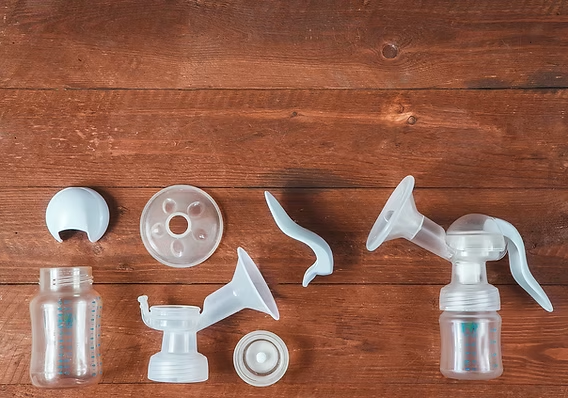
A wearable breast pump should fit securely, feel comfortable, and support steady milk expression without pinching or rubbing. The right fit affects more than comfort alone. It can influence suction performance, pumping efficiency, and how easily you can wear the pump during daily activities. A poor fit may lead to nipple soreness, reduced output, leaking, or a bulky feel inside your bra. That is why choosing the correct flange size and a pump design that works with your breast shape matters from the start. A good wearable breast pump fit also helps you pump more confidently at home, at work, or on the go. With a few simple checks, you can identify the size, features, and design details that make pumping smoother and more practical.
How to Measure and Choose the Correct Fit
Measuring Your Nipple Size Before Choosing a Flange
Start by measuring your nipple, not the full areola, since flange sizing is based on nipple diameter. Measure after pumping or after a warm shower when the nipple is more pronounced, and use a ruler or nipple measuring tool in millimeters for the most accurate result. The flange tunnel should allow the nipple to move freely without pulling in too much surrounding tissue.
If the tunnel is too small, it can cause friction, pinching, and blocked milk flow. If it is too large, the areola may be drawn in excessively, which can reduce comfort and efficiency. Many parents find they need a flange slightly larger than their nipple measurement for the best wearable breast pump fit. Check both sides individually, because nipple size can differ between breasts.
Adjusting Flange Size and Pump Settings for Better Results
After choosing a flange, test the fit during a pumping session and watch how your nipple moves in the tunnel. It should stay centered and glide smoothly without scraping the sides. If you notice pain, swelling, whitening, or poor milk output, the fit likely needs adjustment. A better wearable breast pump fit may come from switching insert sizes, repositioning the pump in your bra, or reducing suction strength. Higher suction does not automatically mean better expression. In many cases, moderate settings improve comfort and help milk release more naturally. Begin with a gentle stimulation mode if available, then increase only to a level that remains comfortable. Reassess fit over time, especially in the early postpartum period, because nipple size and breast fullness can change.
Features to Consider When Choosing a Wearable Breast Pump
Comfort, Portability, and Everyday Convenience
Comfort starts with a pump that sits securely in your bra without feeling heavy, rigid, or awkward against your chest. Look for smooth shield edges, a stable collection cup, and a shape that stays close to the body under clothing. Portability matters too, especially if you pump several times a day. A lightweight wearable breast pump with simple assembly and easy-to-clean parts can save time and reduce frustration. Quiet operation is another practical feature for workspaces, shared rooms, or travel. Battery life, spill resistance, and intuitive controls also improve everyday convenience. When these features work together, the pump feels less disruptive and easier to use consistently, which supports a more manageable and comfortable pumping routine.
Comparing Fit Options Across Different Breast Shapes
Breast shape affects how a wearable pump sits, seals, and feels during use. Fuller breasts may need a design with a stable cup profile and secure bra support to prevent shifting. Smaller or less full breasts often benefit from a closer, lighter fit that does not leave gaps between the shield and the skin. If your breasts are asymmetrical, you may need different flange inserts on each side for a better seal and more even comfort. The goal is a snug fit that maintains suction without pressing too hard on breast tissue. A well-matched wearable breast pump fit should stay aligned while you move, bend lightly, or continue normal daily tasks without frequent repositioning or leaking.
Finding a Wearable Breast Pump That Matches Your Lifestyle
Choosing the Right Model for Home, Work, or Travel
The best wearable breast pump for you should match where and how you pump most often. For home use, comfort and consistent performance may matter more than ultra-compact design. For work, discreet wear under clothing, quiet operation, and quick setup often become top priorities. For travel, lightweight construction, dependable battery life, and minimal parts can make pumping much easier. Think about how long you typically pump, whether you need to move around during sessions, and how much privacy you usually have. A pump that fits your schedule and environment is easier to use regularly, which can help you stay consistent without adding unnecessary stress to your day.
Where to Explore Wearable Breast Pump Options
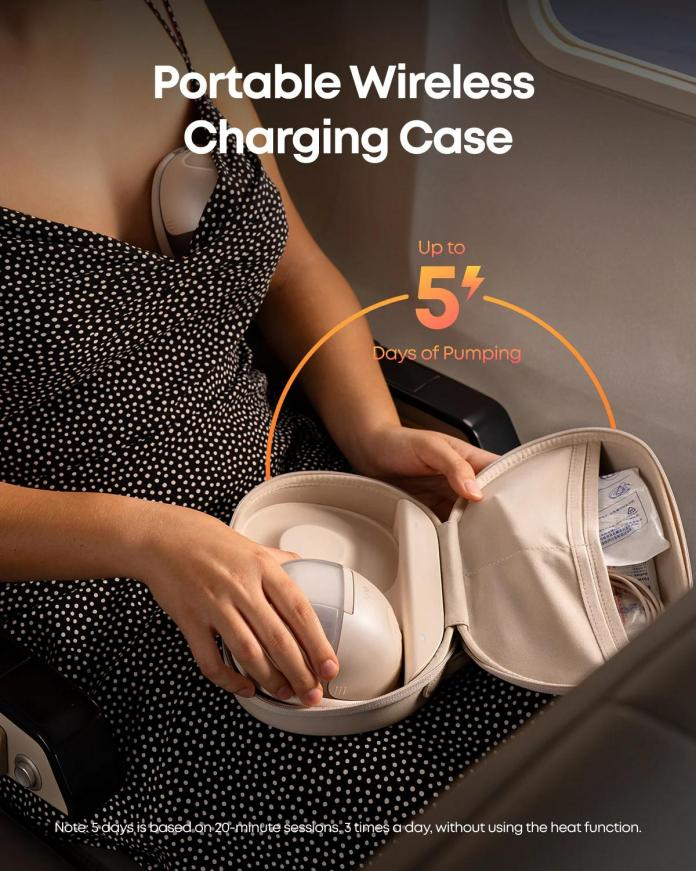
When exploring wearable breast pump options, focus on product details that directly affect fit and daily use. Check available flange sizes, insert compatibility, cup shape, assembly steps, and cleaning requirements before deciding. Product pages, sizing guides, and support resources can help you understand whether a model suits your body and routine. It is also useful to review how the pump is intended to sit inside a bra and whether it is designed for discreet wear during regular activities. Prioritize clear sizing information and practical design details over marketing language. The right choice becomes much easier when you compare fit-related features first and convenience features second.
Conclusion
A perfect wearable breast pump fit comes from combining the right flange size, proper positioning, comfortable suction, and a design that suits your body shape and daily routine. Measuring your nipple accurately is the first step, but real comfort often depends on small adjustments during actual use. When the pump fits well, it can feel more secure, express milk more efficiently, and reduce common issues such as soreness or leaking. Keep your focus on fit, comfort, and practicality rather than extra features alone. A well-chosen wearable breast pump can make regular pumping simpler, more comfortable, and easier to manage wherever your day takes you.

-

 Biography2 months ago
Ahna Mac Height: Biography, Age, Net Worth, Career & Real Facts
-
 Business6 months ago
Simpcit6: Boost Productivity and Streamline Business Operations
-
 News6 months ago
Marcus Hamberg Flashback: Impact on Finance and Real Estate
-
 Biography2 months ago
Elizabeth Mary Wilhelmina Bentinck: Biography, Family, Career, and Private Life
-
 Blog7 months ago
Exploring the Booming Housing Market in the Dallas Metro Area
-

 News2 months ago
The Digital Revolution: Exploring Cosmetics Shopping Online
-
 Blog5 months ago
Tsunaihaiya Explore Native Spirit and Cultural Legacy
-
 Tech10 months ago
Eporer | Empowering Companies with Innovation for Lasting Growth