
Blog
Furnace Maintenance: Essential Seasonal Checklist for Reliable Heating

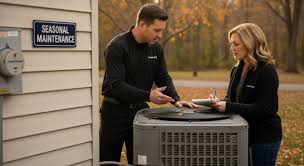
You rely on your furnace to keep your home safe and comfortable through cold months, and simple maintenance keeps it running efficiently while avoiding costly breakdowns. Change or clean filters regularly, check basic components for dirt or damage, and schedule an annual professional tune-up to catch safety and efficiency issues early.
This article walks you through practical, safety-focused Furnace Maintenance steps to operate your system reliably and preventive actions that extend its life and lower fuel bills. Follow straightforward tasks you can do yourself and know when to call a pro so your furnace works safely and efficiently all season.
Essential Steps for Safe Operation
Keep your furnace operating safely by checking critical parts, replacing filters, ensuring accurate thermostat control, and maintaining moving components. These targeted actions reduce fire risk, improve efficiency, and extend equipment life.
Inspection of Components
Visually inspect the burner, heat exchanger, flue, and electrical connections every season. Look for cracks in the heat exchanger, rust or soot buildup on the burner, loose or frayed wires, and any signs of corrosion on the flue or venting.
Use a flashlight and mirror if needed; shut power and gas supply before opening access panels. Verify the ignition system lights cleanly and that the flame is steady and blue—yellow or flickering flames indicate combustion problems that require professional service.
Check safety controls: the limit switch, flame sensor, and pressure switch must operate without debris or corrosion. Test the condensate drain on high-efficiency units to prevent clogs that can trigger shutdowns.
Filter Replacement Procedures
Identify your filter type and MERV rating before buying replacements; manufacturers often recommend specific sizes. Replace disposable filters every 1–3 months during heavy use, and inspect monthly to catch dust buildup early.
Shut off the furnace power, remove the old filter, and note airflow direction printed on the filter frame. Install the new filter with the arrow pointing toward the blower motor to maintain correct airflow and system balance.
For reusable filters, follow the manufacturer’s cleaning schedule: vacuum light dust, wash with mild soap, rinse thoroughly, and fully dry before reinstalling. Keep a record of filter changes to maintain consistent indoor air quality and protect the blower and heat exchanger from premature wear.
Thermostat Calibration
Confirm thermostat placement away from heat sources, direct sunlight, and cold drafts to avoid false readings. Use a reliable room thermometer to compare readings at multiple times of day when the system is idle.
If the temperature differs by more than 1–2°F, recalibrate digital thermostats via the settings menu per the manual. For mechanical thermostats, adjust the calibration screw or replace the unit if it cannot hold stable control within ±2°F.
Check programmable schedules and setback limits to ensure comfort and efficiency. Replace thermostat batteries annually and clean contacts if you observe erratic cycling, delayed starts, or unexplained temperature swings.
Lubrication of Moving Parts
Locate motors and bearings that require lubrication—typically the blower motor and any belt-driven components. Consult the furnace manual to determine oil type; use only the recommended non-detergent, lightweight oil for HVAC motors.
Turn off power before accessing moving parts. Apply a few drops to oil ports or bearings; avoid over-lubrication, which attracts dust and can gum up components. Inspect belts for cracking or glazing and adjust tension to manufacturer specifications.
After lubrication, restore power and listen for smooth, quiet operation. Excess noise, vibration, or increased current draw can indicate worn bearings or misalignment that you should address promptly to prevent further damage.
Preventive Actions for Long-Term Efficiency
Focus on scheduled professional checks, prompt attention to unusual sounds or smells, and maintaining clear airflow and proper ventilation to keep the system efficient and safe.
Scheduling Seasonal Service
Schedule a professional tune-up twice a year: once before the heating season and once after peak use if you rely heavily on the furnace. During each visit, request a combustion-efficiency test (for gas or oil units), inspection of the heat exchanger for cracks, burner cleaning, ignition system check, and safety control verification. Ask the technician to lubricate motors and check electrical connections, and to measure static pressure so they can confirm the blower is operating within manufacturer specs.
Keep records of dates, findings, and parts replaced. That helps you track wear patterns and gives you leverage on warranty claims. If your system is over 15 years old or shows repeated issues, factor in a professional evaluation of replacement options.
Detecting Warning Signs Early
Watch for these concrete signs: uneven room temperatures, rising fuel or electricity bills without usage changes, frequent short cycling, black soot near vents (oil or gas), persistent pilot or ignition failures, and unusual noises like rattling or high-pitched squeals. Smells of gas or rotten eggs require immediate evacuation and a call to your gas utility and a licensed technician.
Use a simple checklist during a monthly visual inspection: check filter condition, look for water or rust in the furnace cabinet, and confirm vent pipes are clear and intact. Note any error codes displayed on the furnace control board and share them with your service tech for faster diagnosis.
Optimizing Airflow and Ventilation
Replace or clean filters on a regular schedule—typically every 1–3 months for 1″ pleated filters, and up to 6–12 months for higher-MERV or thicker filters—based on manufacturer guidance and household factors like pets or allergies. Keep return-air grilles unobstructed and ensure all supply vents are open and balanced; close only excess vents cautiously to avoid increasing static pressure.
Seal and insulate ductwork in unconditioned spaces, and have ducts professionally cleaned if you detect heavy dust buildup, mold, or significant airflow loss. Maintain proper combustion air intake and exhaust pathways: ensure outdoor intake louvers and chimney/vent terminals remain free of debris, snow, or bird nests to prevent backdrafting and combustion inefficiency.

-
 Business6 months ago
Simpcit6: Boost Productivity and Streamline Business Operations
-

 Biography2 months ago
Ahna Mac Height: Biography, Age, Net Worth, Career & Real Facts
-
 News6 months ago
Marcus Hamberg Flashback: Impact on Finance and Real Estate
-
 Biography2 months ago
Elizabeth Mary Wilhelmina Bentinck: Biography, Family, Career, and Private Life
-
 Blog7 months ago
Exploring the Booming Housing Market in the Dallas Metro Area
-

 News2 months ago
The Digital Revolution: Exploring Cosmetics Shopping Online
-
 Blog5 months ago
Tsunaihaiya Explore Native Spirit and Cultural Legacy
-
 Tech10 months ago
Eporer | Empowering Companies with Innovation for Lasting Growth